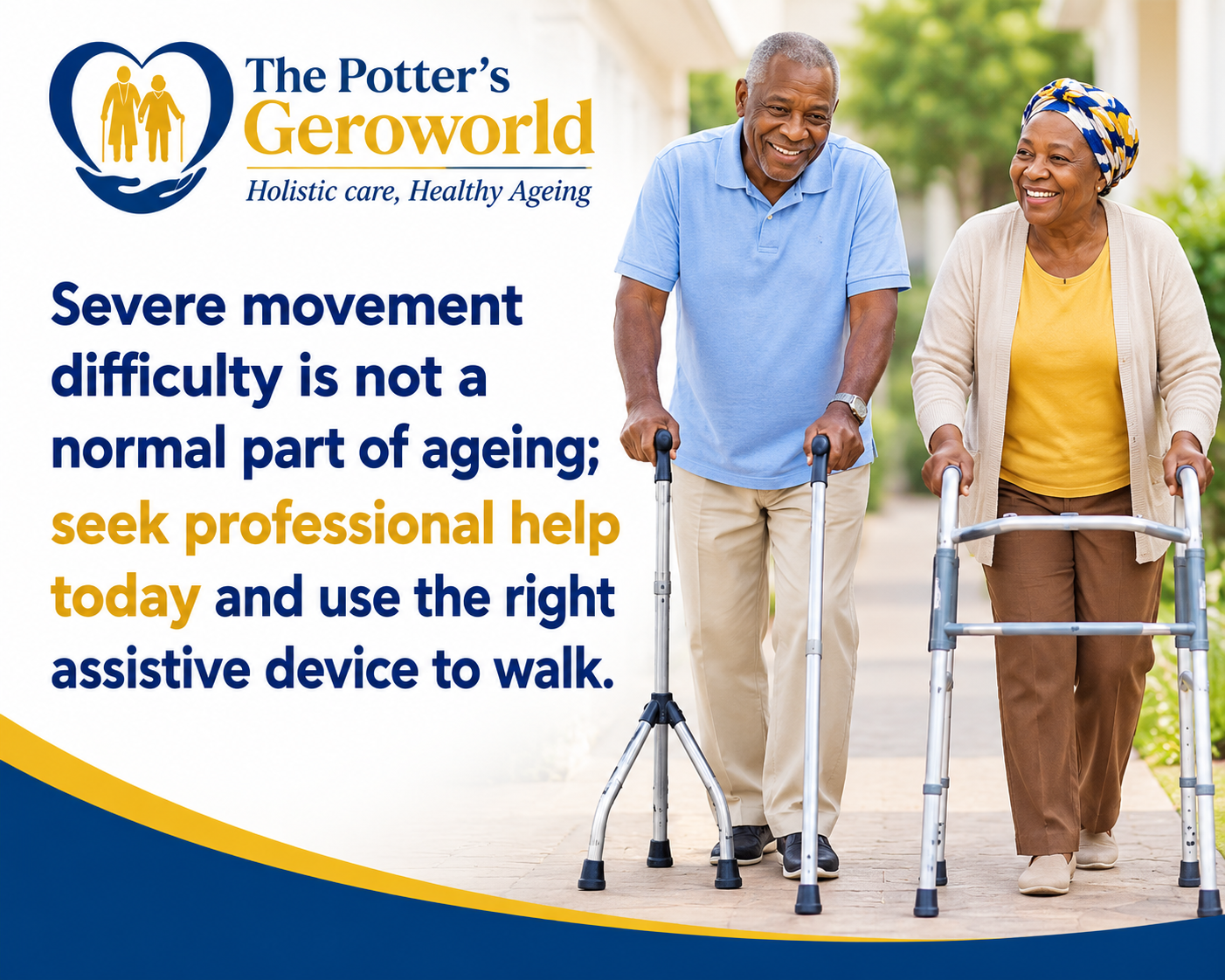

As Nigerians, we are always thinking of how to give our parents the best care. And if your elderly parent lives alone, you probably think of them often and are always concerned for their welfare
It could be that you live in another city and your siblings are spread across Nigeria or abroad. Perhaps your parent lost a spouse and chose to remain in their own home. Or maybe they simply value their independence and have no interest in moving in with family.
Whatever the situation, many families eventually find themselves asking the same question: Is it healthy for elderly people to live alone?
The answer depends on several factors, including your parents’ physical health, mental sharpness, social connections, and the support available around them. This article will help you understand what to look for and how to decide whether living alone is still the right arrangement.
Benefits and Risks of Elderly People Living Alone
Living alone after 65 is not automatically a problem. In fact, for many older adults, it can be a positive and healthy arrangement.
Living Alone Can Support Independence
If your parent is physically active, mentally sharp, and able to manage daily responsibilities, living alone may help them maintain a strong sense of independence. It boosts their confidence and emotional well-being when they have control over their own routine, make their own decisions, and manage their own space.
For many older Nigerians, remaining in a familiar environment also helps preserve a sense of identity and purpose. It allows them to continue living life on their own terms.
But There Are Risks to Consider
At the same time, living alone can create challenges that are easy to miss.
If your parent experiences a fall, stroke, or other medical emergency, there may be nobody nearby to respond quickly. Smaller issues can also build up over time. They may miss medications, skip meals, and become lonely. All these may affect their health.
But it does not mean living alone is unsafe. It simply means that independence works best when the right support systems are in place.
Who Can Realistically Live Alone?
Rather than focusing only on age, it is more helpful to look at how your parent is functioning day to day.
Living alone is often realistic when your parent:
- Moves around the home confidently, without frequent falls or needing support getting up
- Manages personal care and daily activities independently
- Takes medications correctly and understands their health needs
- Makes sound decisions without confusion
- Maintains regular contact with family, neighbours, or community groups
- Has someone nearby who can check in when needed
- Lives in a reasonably safe home environment
- Has reliable access to food, medications, and emergency support
As you read through this list, think honestly about your parents’ current situation. The more boxes they can tick, the more likely independent living remains appropriate.
Signs That Living Alone May No Longer Be the Right Arrangement
One of the biggest challenges for families is that changes rarely happen overnight.
But pay attention if you notice:
- Unexplained weight loss
- Missed medications or confusion about treatment plans
- More frequent falls or mobility difficulties
- Withdrawal from friends, family, or social activities
- Poor personal hygiene
- A home environment that appears neglected
- Increased forgetfulness, confusion, or unusual behaviour
If several of these signs are present, it may be time for a conversation about additional support.
Options for Elderly People Who Live Alone
Support does not have to mean moving your parent out of their home.
In many cases, the goal is simply to make living alone safer, healthier, and more sustainable. Here are a few ways to achieve this:
Stay Connected
Regular social contact matters.
If you and your siblings live elsewhere, scheduled phone calls and video calls can help you stay aware of changes before they become serious. Community groups, religious organisations, and social activities can also help your parent maintain meaningful connections.
Part-Time Caregiver Support
Your parent may need a professional caregiver. They visit a few times each week and can assist with meals, medication reminders, companionship, and daily tasks.
For many families, this level of support provides reassurance while allowing their parent to remain independent.
Home Modifications
Improved lighting, grab rails, non-slip flooring, and safer bathroom layouts can make it easier for your parent to move around confidently and safely.
Nurse Check-Ins
If your parent is managing conditions such as hypertension, diabetes, or recovery after illness, periodic nursing visits from a nurse caregiver can provide valuable clinical oversight without requiring frequent trips to a healthcare facility.
Full-Time Home Care
Sometimes needs increase beyond what occasional support can provide.
In those situations, full-time home care may allow your parent to continue living at home while receiving consistent assistance and supervision from a trained caregiver.
Professional support should not be viewed as the end of independence. In many cases, it is what helps preserve it.
How to Talk to an Elderly Parent About Support
Even when you know support may be needed, starting the conversation can be difficult. Many older adults worry that accepting help means losing independence. Others do not want to feel like a burden to their children.
Because of this, the conversation often works best when it begins with listening rather than advising. Ask your parent how things have been going recently. Ask what tasks feel easy and what tasks feel more difficult. Give them room to express concerns before suggesting solutions.
You may also find it helpful to involve your siblings or other family members early so that everyone is working from the same understanding of the situation.
Most importantly, frame support as a way to maintain independence rather than take it away. The conversation becomes much easier when your parent sees help as something that expands their options rather than limits them.
Summary: Is It Healthy to Live Alone?
Living alone after 65 can be healthy, fulfilling, and appropriate for many older adults.
The key question is not whether your parent lives alone. The key question is whether they can continue doing so safely and comfortably.
When health, mobility, cognition, and social support remain strong, independent living may work very well. When those areas begin to decline, additional support can make a meaningful difference.
The most effective approach is not waiting for a crisis. It is staying engaged, noticing changes early, and putting the right support in place as your parent’s needs evolve.
Supporting Independence at Home With The Potter’s Gerontological Services
If you are concerned about a parent living alone, you do not have to figure everything out on your own.
At The Potter’s Gerontological Services, we help families assess care needs and arrange the right level of support for older adults living at home, including companionship visits, nursing support, part-time caregiving, or full-time care.
Many of the families we support live in different cities or countries from their aging relatives. Our role is to help you stay confident that your parent receives appropriate care while remaining as independent as possible.
Contact us today to discuss your parents’ needs and explore the most suitable care options.