
As Mum or Dad gets older, you may not notice big changes overnight. They happen gradually. You may notice that your parents who once managed everyday activities with ease may start finding certain tasks more difficult.
It can be hard to know whether these changes are a normal part of ageing or signs that your parents need extra support. Many families also hesitate because they don’t want to offend their parents or take away their independence.
But here are eight signs that tell you your parent needs help with personal care:
- Your Parent Is Finding Personal Hygiene More Difficult
Changes in personal hygiene are often one of the earliest signs that someone needs help with personal care. It is also one of the hardest conversations for families to have.
You may notice that your parents are bathing less often than before because getting in and out of the bathroom has become physically challenging. They may wear the same clothes for several days because dressing, fastening buttons, or bending to put on shoes has become more difficult.
Other signs include unkempt hair, noticeable body odour, difficulty shaving, or struggling to brush their teeth regularly. These changes are not usually because they have stopped caring about their appearance. They often mean that everyday personal care tasks have become harder to manage without assistance.
- Everyday Movement Has Become More Difficult
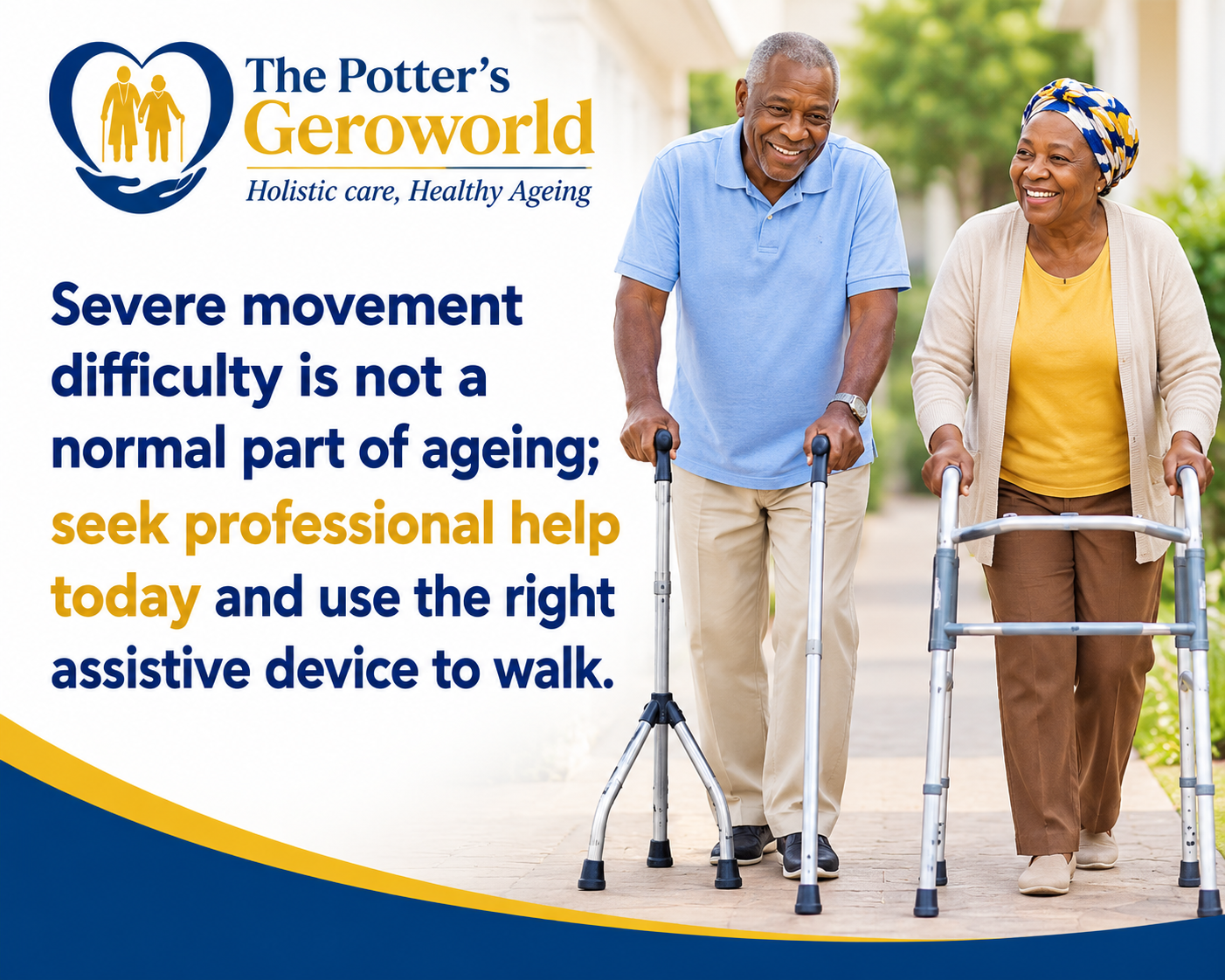
Movement changes are often subtle at first. Your parents may walk more slowly, pause before standing up, or hold onto walls and furniture as they move around the house. Climbing stairs, getting out of bed, or walking longer distances may also become more difficult.
A growing fear of falling is another sign to take seriously. They may avoid moving around the house or stop going out as often because they no longer feel steady on their feet. Addressing mobility problems early can help reduce the risk of falls and make everyday life much safer.
- They Are Struggling to Manage Medications
Managing medication becomes more difficult when your parent’s memory, vision, or organisation starts to decline. This is especially common among older adults living with conditions such as hypertension, diabetes, or arthritis.
Some signs to look out for include:
- Forgetting to take medication.
- Taking the same medication twice.
- Mixing up different prescriptions.
- Missing clinic appointments.
- Struggling to read medication labels.
These changes are not usually a sign of carelessness. They often mean he or she needs a little more structure and support to manage their medications safely.
- Cooking Has Become a Challenge
If your parents prepare their own meals, you may notice that it is more demanding now that they are older. Cooking many Nigerian meals involves standing for long periods, bending, and moving around the kitchen, especially if they do not have a modern kitchen. These tasks can become difficult for someone living with joint pain, poor balance, weakness, or fatigue.
You may notice them skipping meals, eating the same simple food every day, losing weight without trying, or keeping spoiled food in the refrigerator. Sometimes the issue is a poor appetite. In other cases, preparing meals has simply become too tiring.
If a parent who once enjoyed cooking now relies on biscuits, bread, or tea most days, it may be a sign that everyday life is becoming harder to manage.
- Their Home Is No Longer Being Cared For
The condition of your parent’s home can reveal a lot about how they are coping day to day.
Look out for signs such as:
- Laundry piling up.
- Dirty dishes left for several days.
- Clutter building up around the house.
- Food spoiling in the kitchen.
- A home that is noticeably less tidy than it used to be.
These signify reduced strength, energy, or memory rather than a loss of interest in keeping the home clean.
- They Are Becoming More Forgetful or Confused
Some forgetfulness is a normal part of ageing. Misplacing your glasses or taking a little longer to remember a name is common. However, memory changes that begin to interfere with daily life deserve closer attention.
They may frequently lose important items, miss appointments, repeat the same questions, or become confused about familiar routines, and also struggle to follow conversations or mix up their medications.
If these changes become more frequent, it is important to arrange a medical assessment. Memory problems can have several causes, and early evaluation often leads to better treatment and support.
- They No Longer Feel Comfortable Going Out Alone
Many older adults gradually stop going out on their own, but this is not always because they prefer staying at home.
You may notice that they no longer go to the local market, attend church services or mosque regularly, visit friends, or keep medical appointments without someone accompanying them. Using commercial buses, tricycles, or even crossing busy roads can become physically and mentally demanding.
In Nigeria, where public transport and crowded public spaces can be challenging to navigate, these changes are even more noticeable.
- Family Members Are Taking On More Responsibilities Without Realising It
Sometimes the clearest sign is not what your parents are doing. It is what the family has quietly started doing for them.
Think about the past year. Are you calling every day to remind them to take their medication? Do you now help with shopping, cooking, or dressing whenever you visit? Have you started checking in more often because you are worried about leaving them alone?
Families usually adapt to these changes gradually. Before long, everyone is helping in small ways without recognising that their parents now depend on that support.
If this sounds familiar, it does not mean your family has failed. It does not mean your family is not doing enough. It simply means your parent’s needs have changed. Bringing in professional support can reduce the pressure on family members while ensuring they receive consistent, dignified care.
What Is Personal Care Assistance?
Personal care assistance is professional support for older adults who need help with everyday activities but still want to remain in their own homes.
A personal care assistant can help with bathing, dressing, grooming, mobility, meal preparation, medication reminders, and other daily tasks that have become difficult to manage alone.
This support is designed to complement, not replace, family care. Many families find that having a trained caregiver step in with personal care allows them to spend more meaningful time with their loved one instead of struggling with physically demanding caregiving tasks.
Some older adults may also benefit from other forms of support, such as companionship services, respite care for family caregivers, home nursing, or physiotherapy, depending on their needs.
Compassionate Support That Helps Your Loved One Stay Independent
Recognising these signs is the first step. Getting the right support at the right time can help your loved one stay safe, comfortable, and independent for longer.
At The Potter’s Gerontological Services we provide trained personal care assistants in Abuja who support older adults with bathing, dressing, grooming, mobility assistance, meal support, and medication reminders. We also offer home nursing, physiotherapy, companionship care, respite care, and gerontological consultations to meet changing care needs.
Whether your loved one needs a few hours of support each week or more regular assistance, our team can help you find a care plan that fits your family’s needs. Reach out to us to learn more or book a consultation.