Hypertension, also known as high blood pressure, is one of the most common long-term health conditions in Nigeria. You may live with it for years without noticing any clear symptoms, which is why awareness and proper management are so important.
As Nigerians, things like the food we eat, stress levels, and access to good healthcare all play roles in how well we manage our blood pressure.
This guide is here to help Nigerians understand hypertension more clearly, clear up common misconceptions, and show practical daily steps to stay in control and reduce the risk of complications from high blood pressure.
Understanding Hypertension as a Long-Term Condition
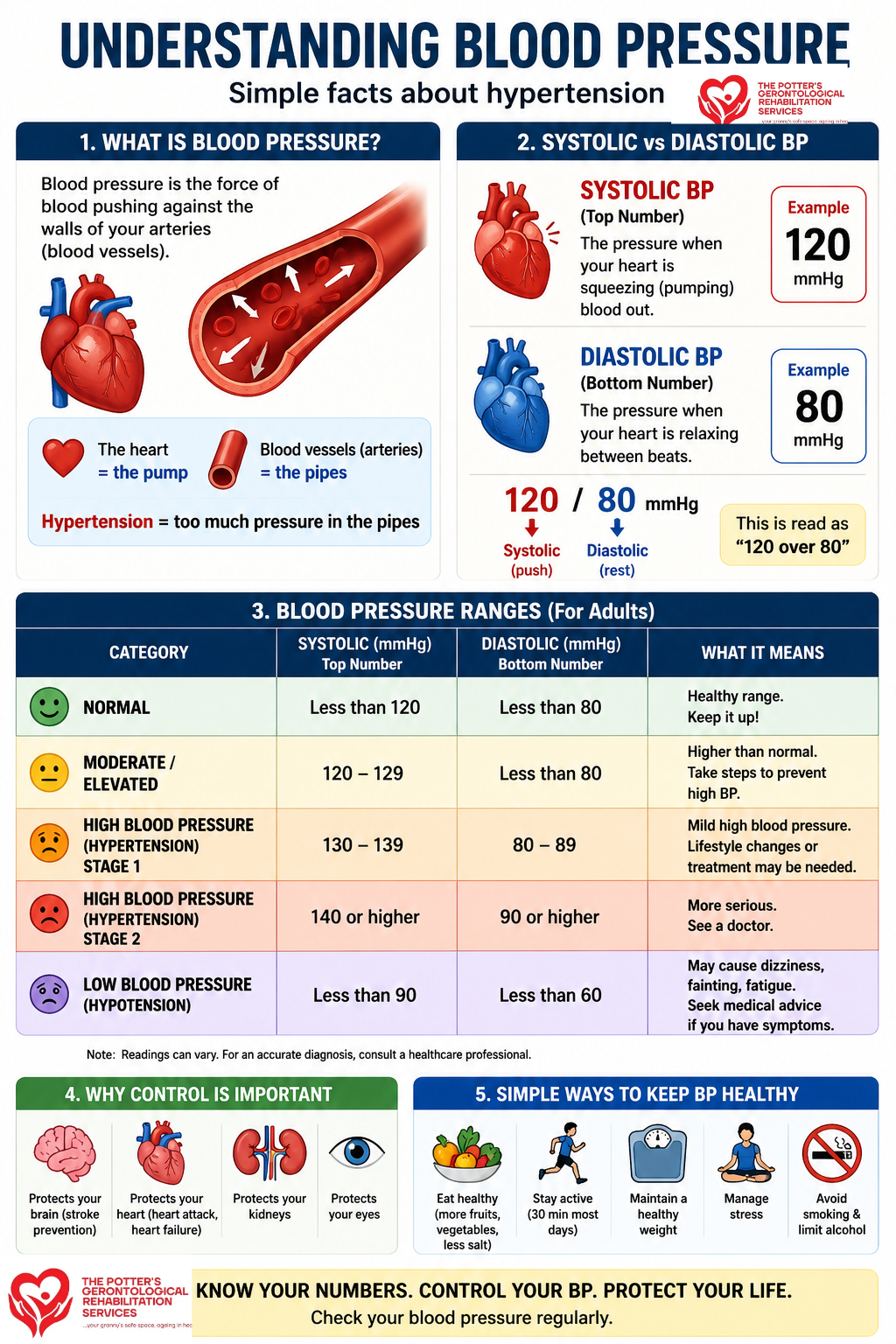
Hypertension, or High Blood Pressure, is a condition where the force of blood pushing against the walls of your blood vessels is consistently too high. You might feel fine most of the time, and that can make it easy to overlook. But high blood pressure often develops quietly, without obvious signs. Over time, if it’s not properly managed, it can increase your risk of serious health problems like stroke, heart disease, and kidney issues.
This is why consistency matters. The small things you do every day, like taking your medication as prescribed, checking your blood pressure regularly, and maintaining healthier habits, make a big difference.
When you understand that managing hypertension is a daily commitment, it becomes easier to build a routine that supports your health over time and helps you stay in control.
Common Myths Nigerians Believe About Hypertension
You may have heard different myths about hypertension from people around you or from everyday conversations. While some of these beliefs may sound convincing, they can affect how you manage your health. Clearing these myths can help you make more informed decisions.
- Myth: High blood pressure always causes symptoms like headaches or dizziness.
In reality, hypertension often has no obvious symptoms and can go unnoticed for years. - Myth: Once blood pressure goes down, medication can be stopped.
Blood pressure can rise again if treatment is stopped without medical guidance. - Myth: Hypertension only affects older people.
It can occur in younger adults as well, especially with certain lifestyle and genetic factors. - Myth: Herbal remedies can fully cure high blood pressure.
There is no proven cure for hypertension; it requires ongoing medical management. - Myth: Stress is the only cause of hypertension.
While stress plays a role, other factors like diet, genetics, and overall health also contribute. - Myth: If you feel fine, your blood pressure must be normal.
Many people with hypertension feel completely normal despite having high readings. - Myth: Blood pressure only needs to be checked when you feel unwell.
Regular monitoring is important, even in the absence of symptoms. - Myth: Hypertension is not serious unless it causes severe illness.
It can quietly damage organs over time, even without noticeable symptoms.
Challenges of Living With Hypertension in Nigeria
Even when you understand what hypertension is and what to do, you may still find it difficult to stay consistent. This is because there are real-life challenges that can affect how hypertension is managed in Nigeria.
- Diagnosis is often late due to low rates of routine health checks
- There is limited public awareness of proper hypertension management
- Regular blood pressure monitoring can be demanding
- Healthcare facilities are sometimes difficult to access, depending on your location
- Medication routines are not always followed due to cost, availability, or daily demands
- Daily stress and economic pressures can make blood pressure harder to control
- Structured dietary guidance and nutrition support are not always available
- Maintaining a low-salt diet can be difficult with common Nigerian meals
- Safe or affordable spaces for regular exercise are limited
- There is often a poor understanding of how to exercise safely with hypertension
- Long waiting times and limited healthcare professionals can discourage regular checkups
- Self-medication and unverified treatments are still commonly relied on
Do any of these sound familiar? Understanding these challenges can help you better recognize what might be affecting your own routine and prepare you to take practical steps toward better blood pressure control.
Daily Care Tips for Managing Hypertension and Preventing Complications
Managing hypertension is about building small, consistent habits that help you keep your blood pressure stable over time. Some days may feel easier than others, but what matters most is staying steady with your care routine and not skipping the essentials.
1. Monitor Blood Pressure Regularly
Check your blood pressure at regular intervals, either at home or during clinic visits. This helps you and your healthcare provider notice changes early before they develop into complications. Even if everything feels fine, routine checks are still important because hypertension often has no obvious symptoms.
You can keep a simple record to see your patterns over time. For many people, this brings reassurance and a better sense of control over their health.
2. Take Medication Consistently
Your medication works best when taken exactly as prescribed, even on days when you feel well. Missing doses or stopping suddenly can allow blood pressure to rise without warning.
To make this easier, you can link medication times to daily routines like meal time or bedtime. It may take some adjustment at first, especially if you are managing other responsibilities, but consistency is what protects you long-term.
3. Reduce Salt and Eat Heart-Friendly Meals
Salt intake plays a major role in blood pressure control, so reducing it can make a real difference. This includes being mindful of processed foods and seasoning habits in everyday meals.
Focus more on balanced meals that include vegetables, healthy proteins, and natural ingredients. Many common foods can still be enjoyed, but small adjustments in preparation matter.
4. Stay Physically Active (Within Your Capacity)
Movement supports healthy blood circulation and helps with blood pressure control. You do not need intense workouts; simple activities like walking or light stretching at home are enough when done consistently.
The key is to stay active in a way that matches your strength and energy level. On days when the body feels weaker, even short, gentle movement still counts and contributes to long-term stability.
5. Manage Stress Effectively
Stress can quietly affect blood pressure, especially when it builds up over time. Identifying and eliminating what triggers stress in daily life is important.
You can also find ways to relieve your stress. Some people find relief in rest, quiet time, prayer, or light hobbies. It is not always possible to remove stress completely, but creating small moments of calm can help the body recover.
6. Watch for Warning Signs
Pay attention to sudden changes such as unusual headaches, dizziness, chest discomfort, or extreme fatigue. These signs should not be ignored, even if they seem mild at first. They may point to a complication, and acting early makes a big difference. If something feels unusual in your body, it is safer to seek medical attention rather than wait for it to pass.
7. Manage Other Health Conditions Properly
Conditions like diabetes, kidney disease, or high cholesterol can influence blood pressure control. Managing them together helps reduce overall health risks. Getting regular checkups can allow healthcare providers to monitor how these conditions interact and adjust treatment where needed. This kind of coordinated care improves long-term stability.
8. Avoid Self-Medication
It may feel easier to try home remedies or shared medications, but this can interfere with proper treatment. Always follow prescribed medication plans from healthcare professionals. Even small changes without medical advice can affect how well your blood pressure is controlled. When in doubt, it is better to confirm with a doctor before making adjustments.
9. Go for Regular Medical Checkups
Routine medical visits help track progress and ensure treatment is still working effectively. These checkups also help detect silent changes before they become serious problems.
Even when you feel stable, keeping up with appointments supports long-term control and gives your healthcare provider a clearer picture of your health.
Getting the Right Support for Hypertension Management
Managing hypertension is an ongoing process, and there are times when you may need more structured support to stay on track.
At The Potter’s Gerontological Services, we provide support for individuals and families managing long-term conditions like hypertension. Our services include connecting patients with qualified healthcare professionals, offering geriatric-focused monitoring and care guidance, and supporting families with structured daily care routines that improve consistency and quality of life.