Managing Type 2 Diabetes Complications can become more challenging with age. Things that seem simple on paper, like eating well, taking medication, or staying active, may not feel as easy to keep up with over time.
If you have found it harder to stay consistent, you are not alone. Many older adults face similar difficulties as their bodies, energy levels, and daily routines change.
The good news is that complications can still be prevented. With the right approach and practical adjustments, diabetes care can become more manageable.
In this guide, we will walk through what to do and how to make those steps work in real life.
Understanding Type 2 Diabetes and Its Complications in the Elderly
Type 2 diabetes is a long-term condition where the body either does not use insulin properly or does not produce enough of it, leading to high blood sugar levels over time. While it can affect adults at any age, the risk of complications tends to increase as people grow older.
This happens because the body responds differently to food, medication, and stress with age. Over time, blood sugar may become harder to control, and recovery from injuries or illness may take longer. Many older adults also manage other health conditions, which can further increase the risk of complications.
Some common type 2 diabetes complications include:
- Nerve damage, often felt as tingling or numbness, especially in the feet
- Slow-healing wounds and foot ulcers
- Vision problems
- Kidney-related issues
- Heart disease and stroke
- Episodes of low blood sugar
That is why managing diabetes in older age is not just about knowing what to do, but finding practical ways to keep doing it.
Tips for Preventing Type 2 Diabetes Complications
Here are some recommendations to help reduce the risk of complications with age:
- Keep your blood sugar within your target range
- Take your medications exactly as prescribed
- Eat balanced meals at regular times
- Stay physically active in a way that feels safe for you
- Watch for signs of low or high blood sugar
- Take care of your feet and skin to prevent wounds
- Go for routine medical checkups, including eye checks
- Manage other conditions like blood pressure or cholesterol level.
You may already be familiar with many of these tips. And you are most likely practicing them. The challenge may be keeping up with them as you get older. In the next section, we will look at practical ways to make these steps more manageable in real life.
Practical Ways to Manage Type 2 Diabetes in Old Age, Even When It Is Difficult
Managing type 2 diabetes in older age is difficult because real-life limitations make it hard to do the right things and stay consistent. What works on paper does not always fit into daily reality. These adjustments can make these steps achievable, even when things feel challenging.
Staying Active When Movement Feels Difficult
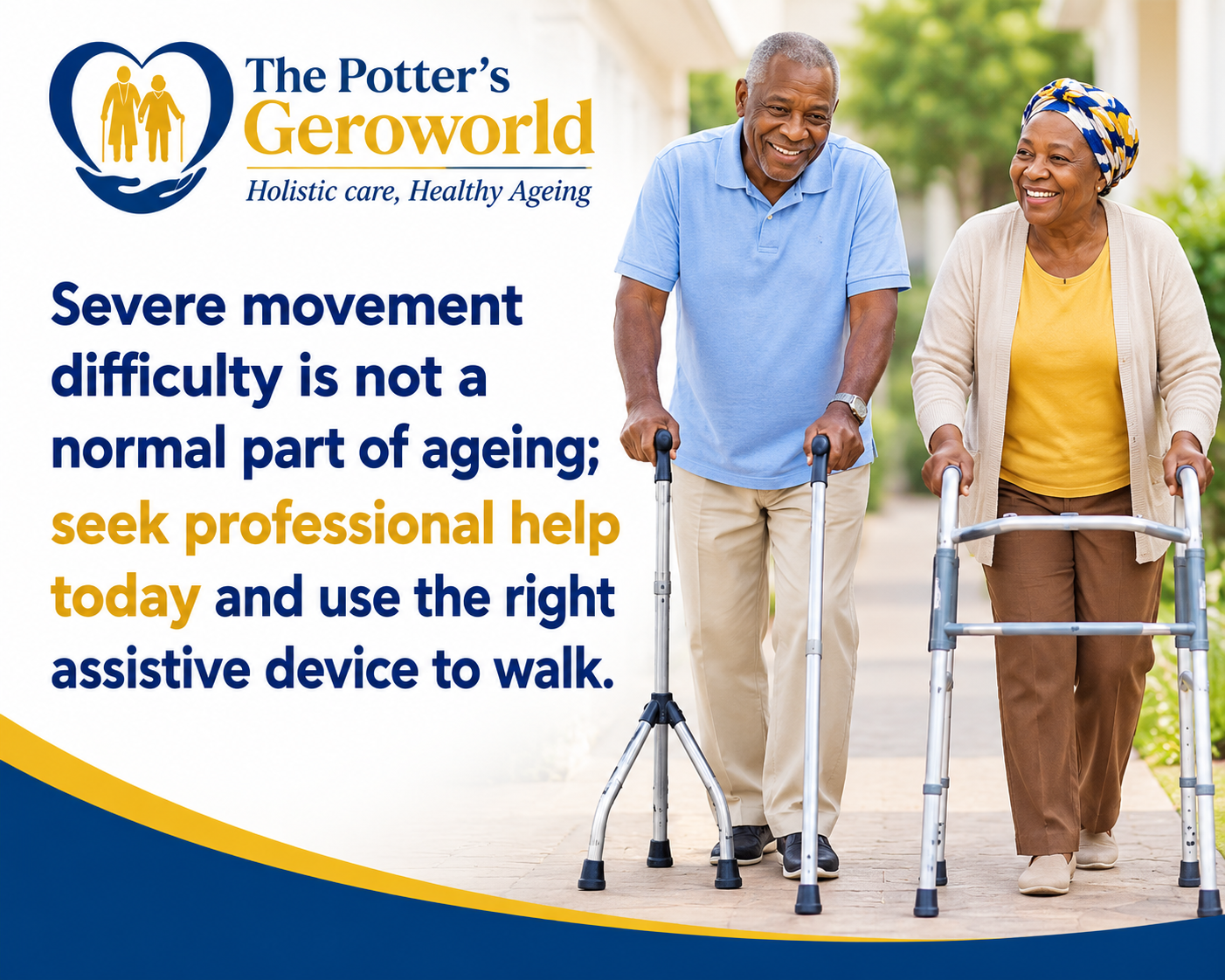
For many older adults, movement is limited by joint pain, stiffness, or even the fear of falling. At some point, “exercise more” can feel like an unrealistic expectation. But it’s still possible. Instead of long or intense activity, you need to focus on what is safe and manageable. For example, short walks around the home, light stretching, or seated movements can still support blood sugar control without placing strain on the body.
A few moments of gentle movement spread across the day can be more realistic and more sustainable than trying to force a full routine.
Keeping Blood Sugar Stable When Appetite Changes
It is not unusual for appetite to reduce with age, or for meals to become irregular due to fatigue or health changes. This can quietly affect blood sugar control.
What can you do? Rather than large meals, you can take smaller portions spaced throughout the day. Soft, familiar foods that are easy to eat can also help maintain consistency without pressure.
The goal is not perfect eating patterns, but avoiding long gaps without food, which can destabilize blood sugar levels.
Managing Medications When Memory Becomes Unreliable
Forgetting doses or mixing up medication timing is common, especially when taking multiple drugs. This is why you need to rely on structure more than memory when managing your medications as you get older.
To build that structure, you can take your drugs around the time you perform certain daily functions, like before sleep, when you wake up, and before or after a meal. You can also make use of pill organizers, which you can get from your local pharmacy. Pill reminder apps or visible reminders can also help reduce confusion about when to take your drugs. In some cases, you may need to involve a caregiver or family member to support you.
Preventing Dangerous Drops in Blood Sugar
If you have been managing type 2 diabetes for some time, you may experience low blood sugar. This may be caused by taking too much insulin, missing a meal, exercising more than usual, or drinking alcohol. Low blood sugar can be more dangerous in older adults because symptoms are sometimes subtle or mistaken for general weakness.
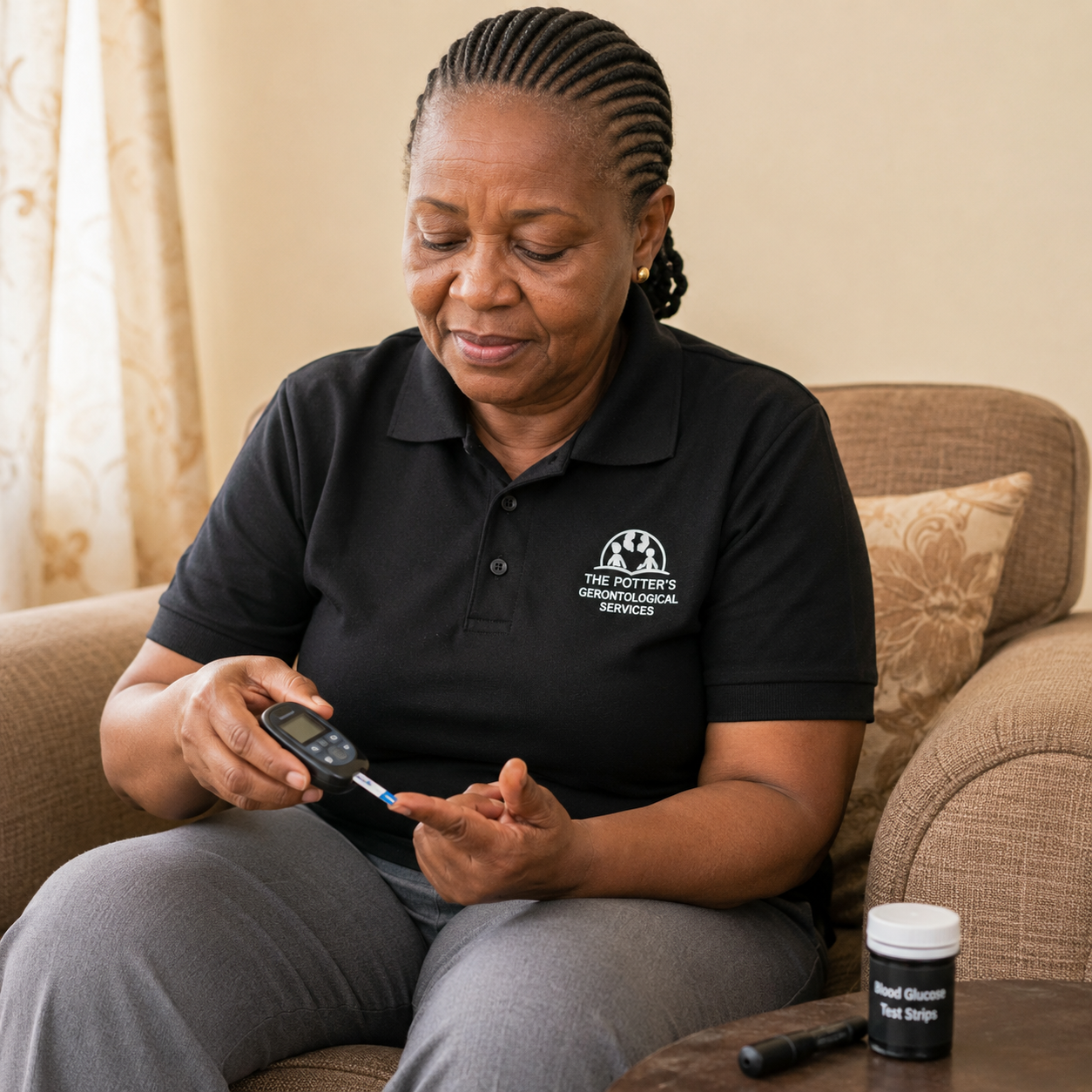
To avoid this, you need to stay consistent with meals and monitor your blood sugar regularly to detect changes early before they become serious. You should also pay attention to small signs like sudden sweating, shakiness, or unusual tiredness, as these are signs of low blood sugar.
Reducing the Risk of Infections and Slow-Healing Wounds
Good hygiene is not just preventive care; it’s protective care when managing type 2 diabetes. What may look like a small cut or sore can take longer to heal and cause infections in older adults living with diabetes.
So, you need to pay attention to your skin, especially your feet. You also need to clean and treat wounds early to prevent infections from developing.
Handling Daily Care With Poor Vision
Diabetes can gradually affect vision, making it harder to read medication labels or measure doses accurately. If this is your situation, you can simplify things by opting for larger labels and clear containers for your drugs. You can also get support from others for medication management and other routines, so they are safer and less stressful. What matters most is removing avoidable errors or harm caused by poor vision.
Managing Multiple Medications and Health Conditions
It is common for older adults to manage more than one health condition at the same time, which often leads to multiple medications. This overlap increases the risk of confusion or drug interactions if care is not well coordinated.
To prevent this, you need to ensure that all your doctors are aware of all health conditions so your treatments are well-coordinated under one medical plan to help reduce unnecessary complications. It’s also really important for you to avoid self-medication and self-adjustment of your medication even when you feel fine.
Staying Consistent When Energy Levels Are Low
With type 2 diabetes, some days feel heavier than others. And fatigue can affect eating, movement, and even medication routines.
This is why it is important to start with building consistency with these essential tips provided in this article before making ambitious plans. On low-energy days, you can always go back to maintaining the basics. And when you have more energy, you can exercise more or make a more complex meal. The goal is to get used to the basics so that they are still part of your routine on low-energy days. This way, you can reduce your risk of complications.
Summary
Managing type 2 diabetes in older age is not only about knowing the right steps, but about finding ways to keep those steps realistic in daily life.
You may already understand what needs to be done, but the real challenge often lies in consistency, energy levels, memory changes, and other everyday limitations that come with age.
There is no need for perfection. What matters most is steady, practical effort over time, even when routines are not fully ideal. With the right approach, you can prevent complications and maintain your quality of life.
Ultimately, diabetes care in older adults works best when it is flexible enough to fit real life, not the other way around.
Extra Support Can Make a Difference
Managing diabetes in older age can sometimes become overwhelming, especially when multiple health needs, medications, or daily care demands begin to overlap. At that point, it is not about whether you are trying hard enough, but about whether you have the right kind of support around you.
This is where structured care can help.
The Potter’s Gerontological Services is a geriatric-focused care provider based in Abuja, Nigeria, dedicated to supporting older adults and their families with practical, long-term health management. The focus is not just on treatment, but on helping care feel more organised, safer, and easier to maintain at home.
Our support includes connecting patients with specialists for elderly care, providing physiotherapy for mobility challenges, offering nutrition guidance tailored to diabetes and other conditions, and providing virtual consultations to help you reach your goals.
You do not have to manage everything alone. With the right support system, diabetes care becomes more stable, more structured, and far less overwhelming over time.