
Caring for a loved one with a stroke at home should only come after you have received proper medical care in a hospital and have been discharged home, with some level of recovery. Upon discharge from the hospital, many families struggle to identify the proper way to continue home care tips for Post-Stroke care for their loved ones as they recover. There’s a lot you have to manage, and sometimes, it may feel like you are not doing enough.
Stroke is one of the more common health conditions affecting older Nigerians. And as Nigerians, we want to take good care of our loved ones after they survive a major health challenge like this.
Home care post-stroke is not a small responsibility. So in this guide, we will walk through simple, practical post-stroke support for your loved one. With the right information, you can understand what stroke recovery requires, making home care more manageable.
How a Stroke Affects the Body and Daily Life
A stroke happens when blood flow to a part of the brain is interrupted. The effects of a stroke often depend on which part of the brain is affected, but common changes include:
- Weakness or reduced movement, often on one side of the body
- Difficulty speaking clearly or understanding speech
- Problems with balance and coordination
- Changes in memory, thinking, or attention
- Difficulty swallowing or eating safely
- Ongoing tiredness and reduced energy levels
These effects can make everyday activities such as walking, eating, dressing, or communicating more challenging than before. In some cases, emotional changes like frustration, mood shifts, or withdrawal may also occur as the person adjusts to these limitations.
Recovery is usually gradual and looks different for each person. It often involves consistent support in movement, communication, and daily routines. Here are some tips to help you take care of your loved one while they recover:
Make the Home Safe and Comfortable for Recovery
One of the first steps in caring for a post-stroke patient at home is making the space safer and easier to move around in. Here are small adjustments that can reduce the risk of falls and make daily activities less stressful for your loved one:
- Organize a sleeping area downstairs to reduce the need for climbing stairs frequently if you live in a bungalow.
- Clear walkways and remove anything that could cause trips, like loose rugs or clutter.
- Make sure the home is well-lit, especially at night, so movement is easier and safer.
- Ensure that they have a firm chair with good back support to make sitting and standing easier.
- Use non-slip mats, provide a bathing stool, and offer support during bathing to prevent accidents.
These changes don’t have to be expensive. The goal is to create a space that supports movement and reduces strain within the home.
Support Daily Activities Without Taking Away Independence
Your loved one may need support with activities like bathing, dressing, eating, and using the toilet after a stroke. Offer help where needed, but try not to take over completely.
You can allow them to participate, even if it takes more time. But you need to be patient with them. Rushing may make them frustrated, while a calm approach can make these activities more comfortable for both of you.
Supporting daily care in this way creates a balance, where your loved one feels assisted but not dependent. This helps maintain their confidence and sense of control.
Help Improve Movement and Encourage Physical Recovery
Movement plays an important role in stroke recovery. Even small, guided movements can help improve strength, balance, and coordination over time.
You can start with simple activities at home, such as:
- Helping them sit upright for a few minutes at a time
- Assisting with standing, using support where needed
- Encouraging short, supervised walks if they are able
The goal is not to push too hard, but to keep the body active safely and steadily. It’s important to get guidance from your doctor on how to improve movement and what exercises to do.
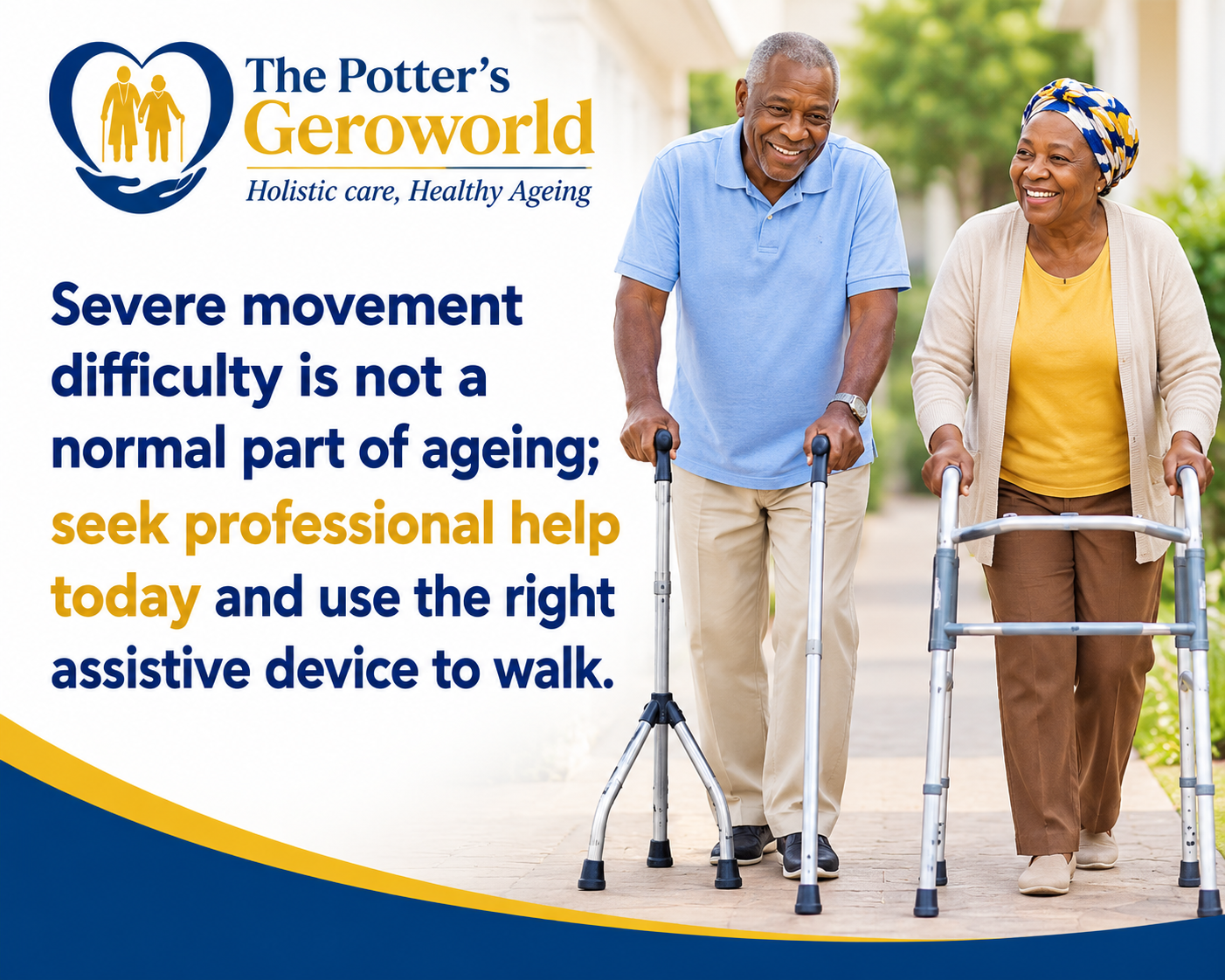
If movement is very limited or progress seems slow, professional physiotherapy may be needed for safe and proper recovery. The Potter’s Gerontological Rehabilitation Services offers home-based geriatric physiotherapy, so you don’t have to make frequent hospital trips.
Provide the Right Nutrition for Recovery
Food is an important part of stroke recovery. It supports healing, provides energy, and can help reduce the risk of further health complications.
Some stroke patients may have difficulty swallowing, so meals may need to be softer and easier to eat. For Nigerians, foods like pap, mashed yams, soft rice, and well-prepared vegetable soups can be helpful.
It’s also important to make meals healthier overall. Reducing salt, processed foods, and unhealthy fats and focusing on balanced portions can help prevent additional strain on the body during recovery.
Manage Medications and Keep Up with Medical Care
Stroke recovery needs proper medication management to prevent further complications. It’s essential to keep taking medications as prescribed, even when your loved one starts to feel better.
You can build simple routines around medication times to stay organized. You can use reminders, set alarms, or take medication around meal time.
Follow-up medical visits are also important for monitoring progress and making any necessary adjustments to treatment. It’s important to attend them as often as possible within your means for post-stroke support for your loved one
Support Communication and Emotional Well-being
Stroke can affect how a person speaks, understands words, and even how they feel emotionally. This can be frustrating for them, especially when they are trying to express themselves but can’t do so easily.
During conversations, give them time to respond. Avoid finishing their sentences or rushing them. Simple, calm communication can make a big difference in helping them feel understood.
Emotional support is important post-stroke support for your loved one. They may feel withdrawn, discouraged, or less confident than before. Spending time with them, involving them in conversations, and keeping them connected to family life can help reduce feelings of isolation.
Watch for Signs of Another Stroke and Act Quickly
After a stroke, there is a risk of another one, so it’s important to recognize warning signs early and act fast.
Look out for:
- Sudden weakness, especially on one side of the body
- Slurred or difficult speech
- Facial drooping
- Sudden confusion or difficulty understanding
- Loss of balance or coordination
If you notice any of these signs, treat it as an emergency. Acting quickly can reduce the severity of the stroke and improve the chances of recovery.
Have an Emergency Plan in Place
Being prepared can save valuable time in an emergency. It helps to have important contacts easily accessible, including doctors, nearby hospitals, and emergency services.
Think ahead about how you would get to a hospital quickly. In many parts of Nigeria, ambulance services may not always be available or fast enough, so having a backup transport option is important.
You should also keep key medical information ready, such as current medications, medical history, and any previous stroke details. This makes it easier for healthcare providers to respond quickly and appropriately. Planning reduces panic and helps you act with more confidence if an urgent situation arises.
Share Responsibilities and Avoid Caregiver Burnout
Post-stroke support for your loved one can be physically and emotionally demanding. Over time, it can take a toll, especially when one person is handling most of the responsibility.
It’s important to involve others in caregiving as much as possible, even if you’re the primary caregiver. Sharing tasks, even in small ways, can make the process more manageable and prevent caregiver burnout.
Taking breaks is also important. Rest allows you to stay patient, attentive, and consistent in the care you provide. Asking for help is not a sign of weakness. It’s part of sustaining long-term care.
Know When to Get Professional Support
There may come a point where home care alone is not enough. This could be when recovery is slower than expected, when mobility challenges persist, or when caregiving becomes overwhelming.
Getting professional support can improve both recovery and overall well-being. It provides structure, guidance, and relief for families who are doing their best but need additional help.
At The Potter’s Gerontological Services, support goes beyond basic caregiving. Families can access trained caregivers for home support, virtual consultations, geriatric physiotherapy to aid recovery, and structured nutritional guidance tailored to individual needs. You don’t have to handle everything alone. Contact us today to help you get the best care for your loved one.