You must have heard that you need to watch what you eat as you get older. This is because your body’s nutritional needs begin to change as your appetite, digestion, and energy levels change. Your nutritional needs also change if you’re managing or recovering from a condition. High blood pressure, diabetes, arthritis, high cholesterol, and other conditions become more common with age, and your diet can play an important role in managing them.
It’s common for many Nigerians to rely on convenient meals, skip meals, or struggle to maintain balanced eating habits after retirement, illness, or lifestyle changes. And sometimes, because of work and family duties, it’s easy to overlook what you eat or miss the signs that your diet needs attention
This is where nutritionists come in. They can help you understand how your meals may be affecting your health and guide you toward healthier eating habits using practical, familiar Nigerian foods.
If you agree with any of the following, you may want to consider consulting a nutritionist.
You Are Losing Weight Without Trying
Most people think this is a blessing. But if you are losing weight without intentionally trying to, it should not be ignored but discussed with your doctor.
There could be an underlying condition if you also have reduced strength, difficulty keeping up with normal daily activities, poor appetite, chewing problems, or illness.
A nutritionist, together with your physician, can help you identify possible causes and recommend meals that support healthy weight maintenance, strength, and better nourishment without forcing drastic diet changes.
You Have a Health Condition That Requires Dietary Changes
If you’re managing a health condition, you may need to consult with a nutritionist. You can get personalised advice on foods that improve your condition and what diet adjustments may be necessary. This is because different health conditions require different dietary changes to avoid complications.
Here are the necessary dietary changes for some conditions.
- Diabetes: Managing portion sizes, sugar intake, and balanced meals may help support blood sugar control.
- High blood pressure: Reducing excess salt and processed foods may help support heart health and blood pressure management.
- Stroke recovery: Soft, nutrient-rich meals may help support strength, recovery, and easier swallowing where necessary.
- Kidney disease: Some individuals may need guidance on salt, fluid, or protein intake depending on their condition.
- High cholesterol: Increasing fibre-rich foods and reducing unhealthy fats may support healthier cholesterol levels.
- Arthritis and inflammation: Certain eating habits may help support overall joint health and reduce inflammation. Also, eating foods rich in calcium or its supplements is important
- Chewing or teeth problems: Meal adjustments to soft foods can improve eating while still helping you get enough nutrients.
Instead of following confusing or overly restrictive advice, a nutritionist can help you build a meal plan that fits your health needs, lifestyle, and familiar foods.
You Often Feel Weak, Tired, or Low on Energy
Constant tiredness is not always just a normal part of ageing.
Sometimes, low energy can be linked to skipping meals, poor meal balance, dehydration, or insufficient protein and nutrients from your diet. The signs include feeling weak during daily activities, getting tired easily, or struggling to stay active throughout the day.
In many cases, the issue is not just how much you are eating, but whether your meals are balanced enough to support your body’s needs. And a nutritionist can help you identify gaps in your diet and recommend practical changes that may help improve your energy levels, strength, and overall wellbeing.
You Are Struggling With Digestion or Appetite Changes
Digestive changes become more common as you get older. You may notice frequent constipation, bloating after meals, reduced appetite, or discomfort when eating certain foods.
For some elderly people, chewing or swallowing also becomes more difficult, especially after illness, dental problems, or stroke. This can make eating feel stressful and may reduce how much you eat during the day.
A nutritionist can help you identify eating patterns that may be worsening your symptoms and recommend practical changes that fit your needs. This may include softer foods, better meal timing, increased fibre intake, and more balanced portions to help improve comfort and make eating easier.
You Are Eating Mostly Processed or Convenience Foods
Convenient meals include instant noodles, fried foods, sugary drinks, processed meats, or packaged snacks. Many people rely on them because they are quick, familiar, or easy to prepare.
Over time, eating this way regularly may increase your intake of salt and unhealthy fats while reducing important nutrients your body needs.
Healthy eating does not mean giving up processed foods. In many cases, it is about improving balance. Adding more vegetables, beans, fish, fruits, oats, and fibre-rich meals can help support your overall health without making food feel restrictive. Nutritionists are there to help you make realistic adjustments using foods you already know and enjoy.
You Have Difficulty Managing Your Weight
After 50, managing your weight can be difficult. Some people gain weight gradually because of reduced physical activity, changes in metabolism, inconsistent eating habits, or emotional eating during stressful periods.
It can also be hard to follow a diet after 50. Rather than trying different methods of following extreme food restrictions, nutrition planning with a nutritionist may be the better option. It focuses on helping you build more sustainable eating habits. This may include improving meal balance, portion control, meal timing, and food choices that better support your lifestyle and health goals.
Your Doctor Has Recommended Dietary Changes
After a medical diagnosis, many people are told to “reduce salt,” “avoid sugar,” or “eat healthier,” and many people do not fully understand what those changes should look like in everyday meals.
It’s easy to wonder: Which foods should I reduce? What should I eat more of? Are there Nigerian meals I can still enjoy?
This is where nutritional guidance becomes helpful. A nutritionist can help turn dietary advice and restrictions from your doctor into practical steps that fit your routine, preferences, and health needs instead of leaving you to figure everything out alone.
You Are Recovering From Illness, Surgery, or Hospitalisation
Your body often needs more nutritional support during recovery.
Some people become weaker after long hospital stays because they are eating less than their body actually needs. Appetite may also reduce during this period, making it harder to eat properly.
But after surgery, illness, hospitalisation, or stroke recovery, you need enough protein, fluids, and nutrients to help maintain strength and support healing. A nutritionist can help you plan meals that are easier to tolerate while still supporting recovery, energy, and nourishment during the healing process.
You Want to Stay Healthy and Independent as You Age
Healthy eating can improve your physical strength, movement, flexibility, heart health, bone strength, digestion, and overall well-being as you get older. And these can help you stay active and independent for longer.
If you need guidance on what to eat for longevity, a nutritionist can help. This is because good nutrition is more effective when it is consistent and realistic. Strict diets often become difficult to maintain, especially when they completely remove familiar foods or routines. A nutritionist helps you build healthier habits that work for your lifestyle instead of giving temporary solutions that are difficult to sustain.
What Can a Nutritionist Do for Older Adults?
A nutritionist helps you understand how your eating habits may be affecting your health and what changes may better support your needs as you get older.
Support may include:
- Nutrition assessment
- Personalised meal guidance
- Support for chronic disease management
- Weight and appetite monitoring
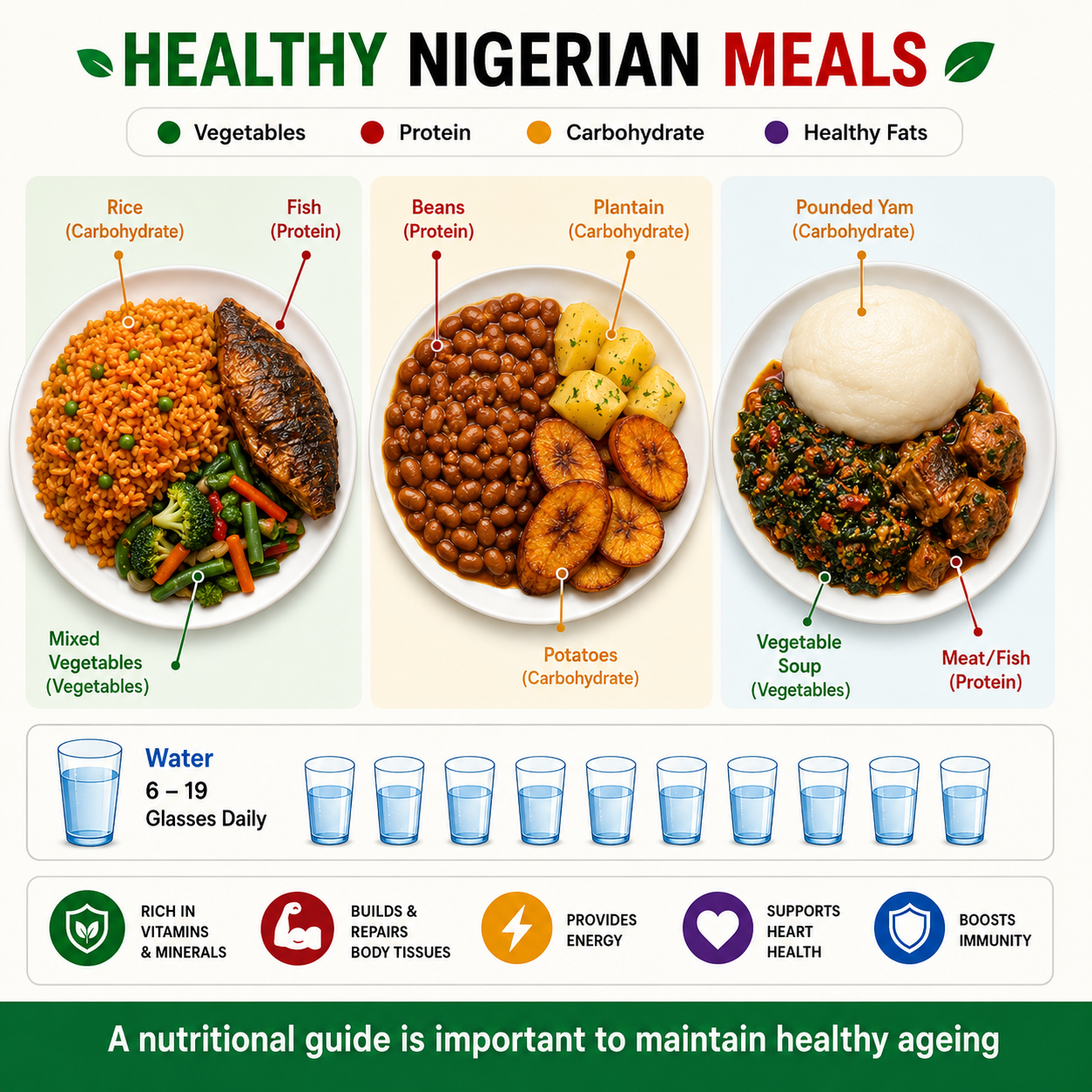
- Meal planning using familiar Nigerian foods
- Ongoing nutrition education and support
The goal is to help you build practical eating habits that support your health, energy, and quality of life.
How to Choose a Nutritionist in Nigeria
Not every nutrition plan works for every older adult. Your health conditions, appetite, lifestyle, medications, and food preferences all matter.
When choosing a nutritionist, it helps to look for someone who:
- Understands nutrition for older adults
- Offers personalised guidance instead of generic meal plans
- Can work with your medical needs and dietary restrictions
- Uses practical and realistic food recommendations
- Explains things clearly and professionally
You can also ask whether virtual consultations are available if travelling regularly is difficult for you.
Speak With a Nutritionist at Potter’s Gerontological Services
At The Potter’s Gerontological Services, we provide nutrition support designed specifically for older adults in Nigeria.
Whether you are managing a chronic condition, recovering from illness, struggling with changes in appetite, or simply trying to age more healthfully, our team can help you build a nutrition plan that fits your needs and lifestyle.
Our support includes:
- Personalised nutrition guidance
- Meal planning using accessible Nigerian foods
- Nutrition support for chronic conditions and recovery
- Virtual consultation options for convenience
To speak with a nutritionist or make an inquiry, contact us for support or to book an appointment.