Why Fall Prevention Matters for Seniors
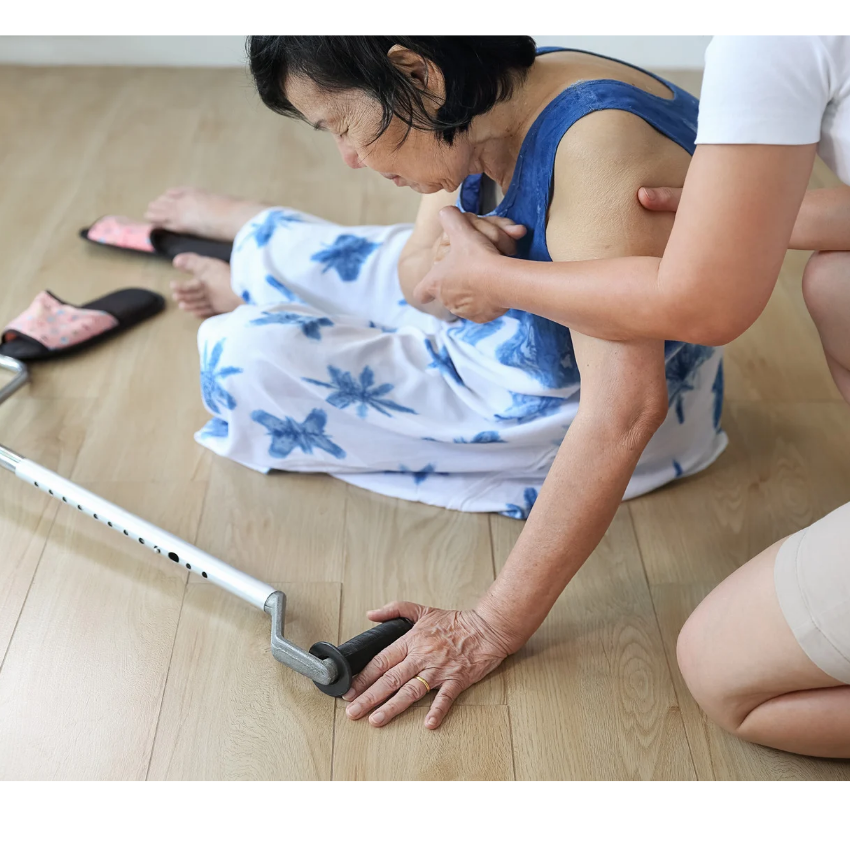
Falls are one of the most common and serious health challenges facing older adults globally. Around the world, approximately 28–35% of people aged 65 and older experience a fall at least once each year, and this increases with age, reaching up to 40% among those aged 70 and older. Each year, about 684,000 people die from fall-related injuries worldwide, making falls the second leading cause of unintentional injury death overall, with most fatalities occurring in low- and middle-income countries, including many in Africa. In Nigeria and other parts of Africa, studies show a high rate of falls among older adults, with up to one in four older adults reporting a fall in the past year, and women often experiencing more fall-related injuries than men.
Complications of Fall among Older Adults
- Fractures (especially hip and limb fractures)
- Traumatic brain injuries
- Hospitalisation and long medical stays
- Permanent disability
- Increased medical bills and financial stress
- Loss of independence and confidence
Because of these risks, preventing falls is more effective and less costly than managing fall-related injuries. Prevention helps maintain mobility, quality of life, and independence for seniors and reduces the emotional and financial burden on families and caregivers.
Five Fall Prevention Tips for Older Adults
1) Have Regular Medical Check-Ups
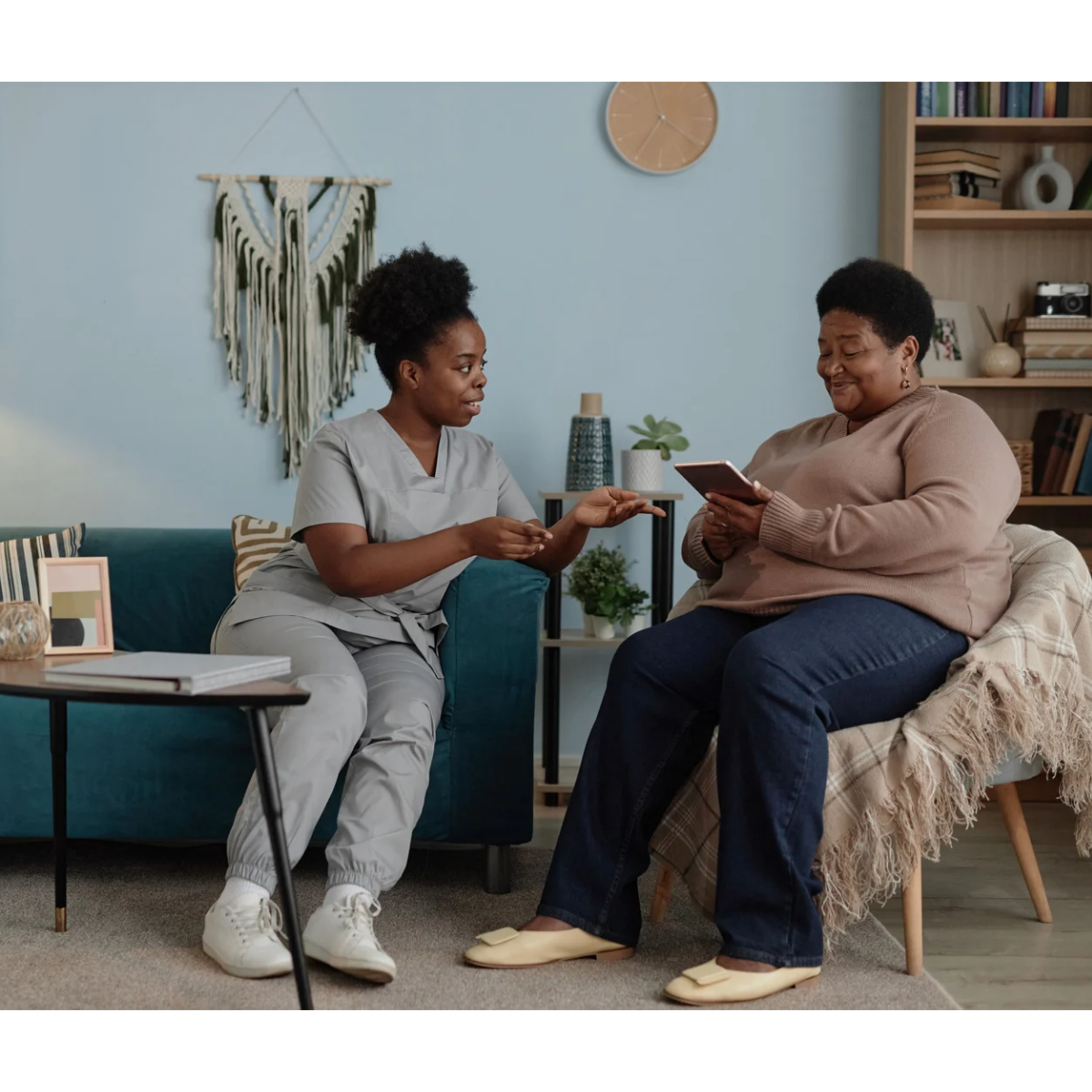
Regular medical check-ups are crucial for seniors. As part of geriatrics and geriatric care, medical professionals assess health conditions that may increase fall risk, such as poor vision, dizziness, joint pain, balance problems, or chronic diseases.
In a geriatric facility like The Potter’s Gerontological Rehabilitation Services, seniors undergo fall risk assessments during check-ups. These assessments help identify factors that can cause falls early, so interventions can be put in place before a severe injury happens. Early detection and management significantly reduce the risk of serious falls and their complications.
2) Pay Attention to Your Medications
Medications can sometimes make older adults feel dizzy, sleepy, or unsteady, increasing the risk of falling. This risk rises significantly when multiple drugs are used together, a situation known as polypharmacy. Certain prescriptions, drug-to-drug interactions, and even combinations of medications with herbal remedies can lead to adverse effects that affect balance and coordination.
Important tips for safe medication use:
- Bring all your medications (including herbal supplements) to every doctor visit
- Discuss any dizziness, drowsiness, or balance problems with your healthcare provider.
- Ask if any medication changes are possible to reduce fall risk.
Keeping your healthcare team informed about all substances you take, including herbal drugs, helps them adjust treatment and monitor your health safely.
3) Keep Your Body Strong and Active
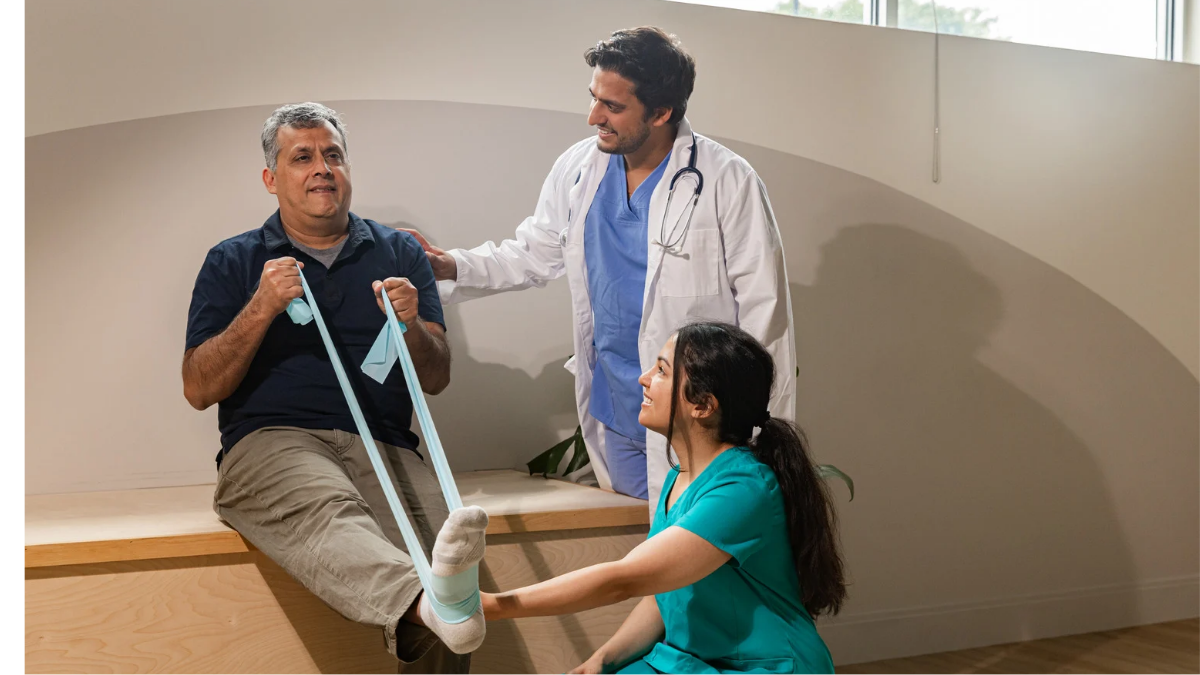
Regular physical activity is one of the strongest ways to prevent falls. Exercises that improve strength, balance, flexibility, and coordination help older adults walk with confidence and stability. You don’t have to be sick to benefit from physiotherapy. Regular, regulated exercise with an expert physiotherapist is great for fitness and fall prevention.
At our facility in Abuja, expert physiotherapy services for older adults include:
- Strength training
- Balance exercises
- Coordination activities
These exercises improve posture, muscle strength, and confidence, making daily activities safer and more comfortable.
4) Make Your Home Safer
Many falls happen at home, especially in places like stairs, bathrooms, or rooms with poor lighting.
How to make your home safer:
- Remove loose rugs and clutter
- Improve lighting in hallways and stairs.
- Install handrails in bathrooms and stairways.
- Use anti-slip, high-friction flooring, especially where floors get wet.
- Keep essential items within easy reach to avoid stretching or climbing
Changes like adding grab bars, brighter lights, and secure handrails may seem small — but they greatly reduce the risk of slips, trips, and falls in daily life.
5) Use Assistive Devices When Needed
Walking sticks, walkers, handrails, and other assistive devices are tools that promote safety and independence, not signs of weakness. Many older adults skip using these tools at home because they feel self-conscious, but most serious falls occur indoors.
Using your devices correctly helps:
- Improve balance
- Support weaker muscles
- Increase confidence when walking.
- Prevent serious injuries and hospital visits.
Final Thoughts: Prevention First — Always
Falls are not a normal or unavoidable part of ageing. With the right support, education, and professional geriatric care, older adults can live safely, confidently, and independently.
At The Potter’s Gerontological Rehabilitation Services, we are proud to provide trusted elderly and geriatric care in Abuja, Nigeria, focusing on prevention, rehabilitation, and healthy ageing.
📞 Contact us today to learn more about:
- Fall risk assessments
- Physiotherapy for older adults
- Home safety evaluations
- Comprehensive geriatric care services
About the Author: PT. Clara Ezichukwu Ezekwibe is a highly skilled Geriatric Physiotherapist, Gerontologist, and Geriatric Care Manager with several years of experience in elderly care. As the Executive Director of The Potter’s Gerontological Services in Abuja, the facility is focused on a holistic approach to promote healthy ageing for every older adult.