
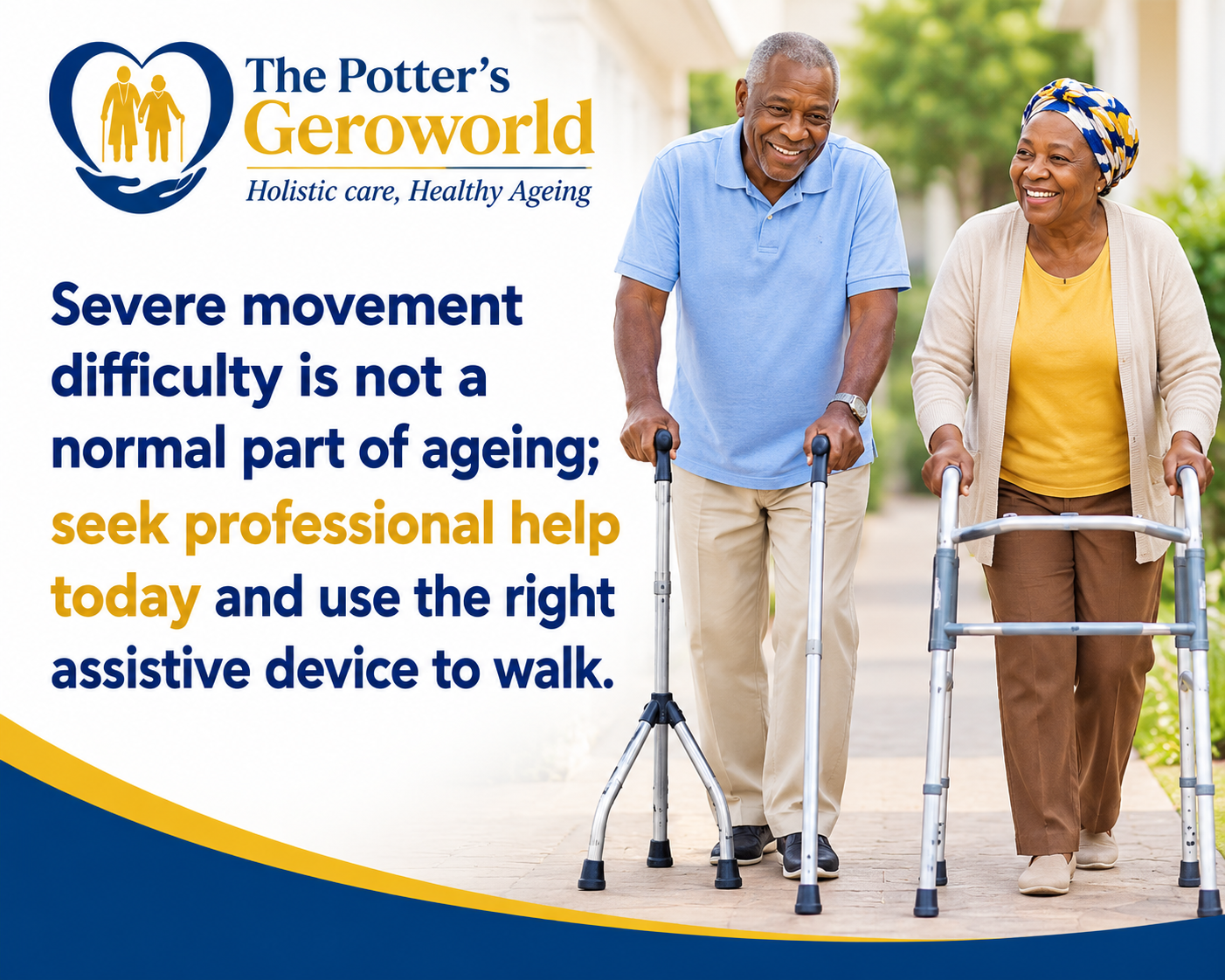
Why Is It Harder to Move Around When You Get Older? You may notice these changes in yourself or your loved one. Walking takes more effort than it used to. Taking the stairs feels like hiking Mount Everest. And getting up from a low chair takes more effort than it used to.
These changes can be a normal part of ageing, but significant difficulty with movement is not something you simply have to accept. Many factors that affect mobility can be managed, slowed, or improved with regular activity, the right support, and professional care when needed.
Understanding why mobility changes with age can help you recognise problems early and take steps to maintain your independence.
Is Reduced Mobility a Normal Part of Ageing?
Some changes in physical function are expected as we get older. However, getting older does not automatically mean losing the ability to move around independently. Many people remain physically active and mobile well into their seventies and eighties.
Watch out for changes such as:
- Walking noticeably more slowly than before
- Finding stairs increasingly difficult
- Struggling to get up from a chair
- Holding onto furniture or walls while walking
- Feeling unsteady when turning
- Becoming more cautious about walking outdoors
If you notice these changes in yourself or a parent, don’t simply dismiss them as “old age.” Identifying the cause early can make it easier to address the problem.
Changes in the Body That Make Movement Harder With Age
Several changes in the body can affect how easily you move.
Muscle strength and mass can decline
From around middle age, the body gradually loses muscle mass and strength. This process, known as sarcopenia, can affect walking, climbing stairs, getting out of a chair, and maintaining balance.
Balance and coordination may change
Good balance depends on several systems working together, including your muscles, vision, inner ear, brain, and nervous system. Changes in any of these can make it harder to stay steady, particularly when turning or moving across uneven surfaces.
Joints may become stiffer
Joint stiffness can affect how far you can bend, turn, walk, or climb stairs. Occasional stiffness that improves with movement may not be a major concern, but persistent pain or restricted movement should be assessed.
Vision and reaction time can affect movement
Reduced vision can make it harder to notice obstacles, steps, and uneven surfaces. Slower reaction times can also make it more difficult to recover quickly after a stumble, increasing the risk of falls.
What Health Conditions Can Make Mobility Difficult?
Age-related changes are only part of the picture. Health conditions can also have a major effect on mobility.
- Arthritis can make movement painful and restrict joint mobility.
- A stroke can cause weakness, paralysis, balance problems, or difficulty coordinating movement.
- Parkinson’s disease can affect posture, walking, and balance
- Conditions such as multiple sclerosis may cause weakness, fatigue, and coordination difficulties.
- Osteoporosis increases the risk of fractures, which can affect mobility
- Heart and lung conditions may cause fatigue or breathlessness, which makes movement more difficult
- Diabetes can also cause peripheral neuropathy, leading to numbness or reduced sensation in the feet and legs. This could also affect mobility.
- Some medicines can cause dizziness, drowsiness, or low blood pressure when standing.
A noticeable, sudden, or detrimental change in mobility should always be taken seriously. Sometimes there is an underlying cause that can be treated or managed. For example, if mobility problems appear or worsen after starting or changing medication, discuss this with a doctor rather than stopping the medication yourself.
Other Factors That Can Worsen Mobility as You Age
Your lifestyle and environment also influence how well you maintain mobility.
Physical inactivity is one of the biggest concerns. When you move less, your muscles become weaker. As movement becomes harder, you may become even less active. This creates a cycle that can gradually reduce strength and independence.
Fear of falling can create a similar cycle. After a fall, many older adults become afraid of moving around and start limiting their activities. While this reaction is understandable, too little movement can lead to further muscle weakness and an increased risk of future falls.
Other factors include:
- Poor nutrition, particularly inadequate protein intake
- Excess body weight
- Poor sleep
- Persistent fatigue
- Low mood
- Unsafe home environments
- Poor lighting
- Cluttered walkways
- Slippery or uneven surfaces
Addressing these factors can help make movement safer and more manageable.
Can Mobility Loss Be Slowed or Improved?
Yes. Mobility decline is not always permanent, and improvement is possible even when someone has already experienced a significant loss of function.
Regular physical activity is one of the most effective ways to maintain strength, balance, flexibility, and endurance as you age.
The activity should match your current abilities. This could include:
- Short walks
- Simple strength exercises
- Balance exercises
- Gentle stretching
- Light gardening
- Everyday household activities
If you’ve been inactive for a long time or already have a health condition affecting your mobility, speak with a healthcare professional before starting a new exercise routine.
What Can You Do If You Are Already Having Mobility Problems?
If movement has already become difficult, start by finding out what is causing the problem.
Is pain limiting your movement? Is your strength reduced? Are you struggling with balance? Are you afraid of falling? Is an existing health condition affecting how you walk?
The answer will determine what kind of support you need.
A mobility aid such as a walking stick or walker may provide additional stability, but it needs to be appropriate for the person using it. Using someone else’s walking stick or choosing an aid without proper assessment can sometimes create more problems.
Your home may also need a few adjustments. Better lighting, clearer walkways, handrails, and non-slip surfaces can reduce environmental risks while you work on improving strength and mobility.
Most importantly, don’t stop moving completely because movement has become difficult. With the right support, staying active is often part of the solution.
When Should You Seek Professional Help?
Some mobility changes should be assessed by a healthcare professional to know whether you may need to increase physical activity, address underlying conditions or even go for physiotherapy.
Seek help if you or your parent has:
- Persistent or worsening difficulty walking
- Repeated falls or near-falls
- New or worsening weakness
- Persistent pain affecting movement
- Increasing difficulty getting out of a chair or bed
- New balance or coordination problems
- Increasing dependence on furniture or other people
- A sudden change in walking pattern
A sudden change in mobility is particularly important. If someone who normally walks independently suddenly becomes unsteady or has difficulty walking, don’t simply wait to see if it improves.
Early assessment can help identify the cause and provide more opportunities for effective treatment.
How Can Physiotherapy Help Maintain and Restore Mobility?
Geriatric physiotherapy can help both prevent further mobility loss and restore function that has already been affected.
A physiotherapist will assess areas such as:
- Walking pattern
- Muscle strength
- Balance
- Flexibility
- Joint movement
- Coordination
- Ability to perform everyday activities
The physiotherapist can then develop an exercise programme based on the person’s specific needs. This might involve strengthening the legs, improving balance, increasing walking endurance, managing pain, or addressing mobility problems caused by a stroke, surgery, or another health condition.
Physiotherapy can also include fall-prevention strategies, home safety recommendations, and guidance on using mobility aids correctly.
For older adults who find travelling to a clinic difficult, home-based physiotherapy can make treatment more accessible and easier to maintain consistently.
Professional Physiotherapy Support for Better Mobility
Ageing brings physical changes, but significant mobility loss is not something you simply have to accept. Staying active, addressing health problems early, maintaining strength and balance, and seeking professional support when necessary can help you move more safely and remain independent for longer.
At The Potter’s Gerontological Services, we provide personalised physiotherapy support for older adults. Our treatment plans are based on each person’s mobility, health conditions, goals, and daily environment.
Whether you need a mobility assessment, rehabilitation after an illness or surgery, strength and balance training, or home-based physiotherapy, our team can provide the professional support you need.
If you are concerned about your mobility or that of a parent, don’t wait until the problem becomes more difficult to manage. Reach out to us to discuss how we can help.