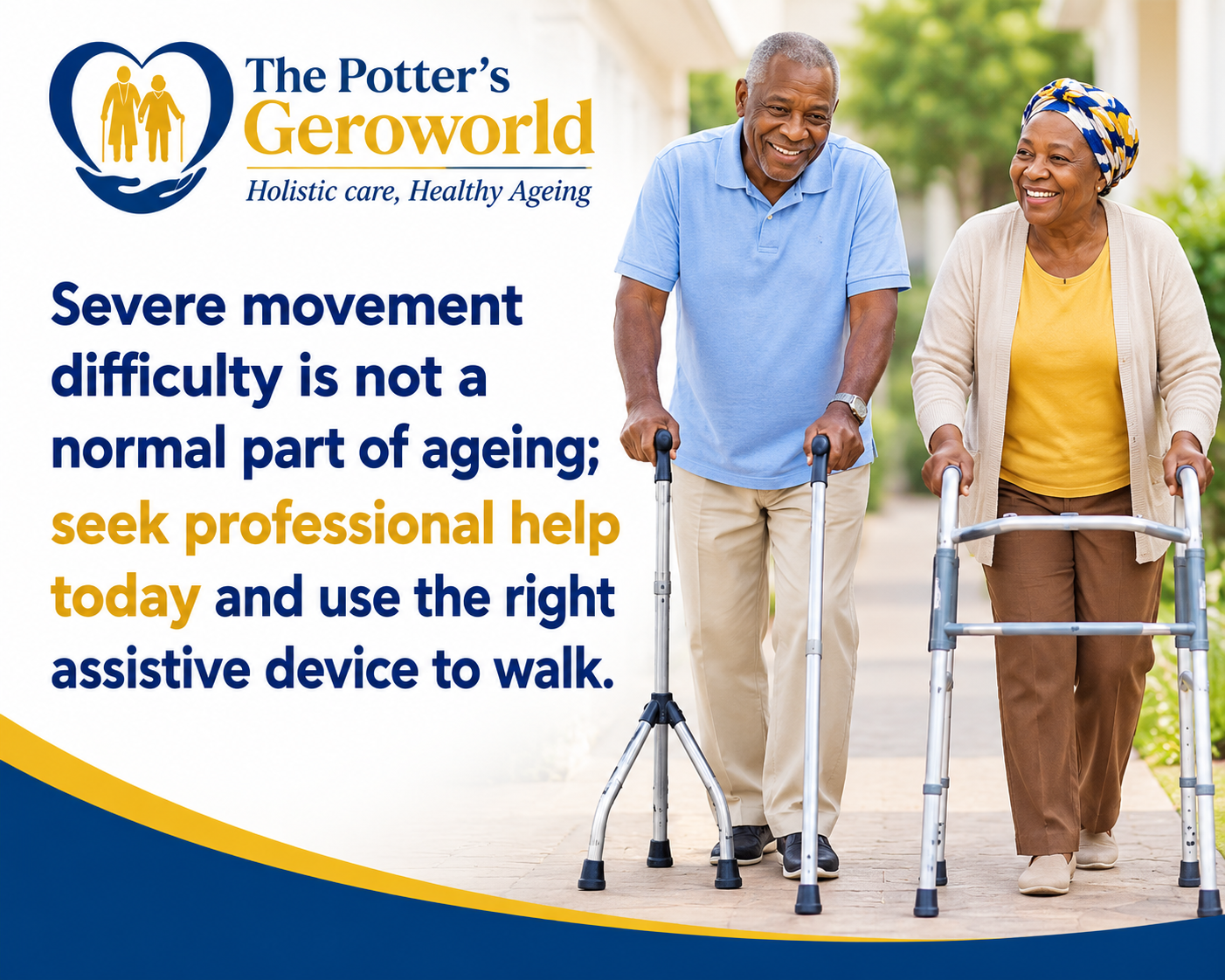
As our parents grow older, their health needs change in ways that are often subtle but deeply significant. Tasks that were once effortless, standing up from a chair, walking long distances, climbing stairs, or maintaining balance can gradually become challenging. Many families assume these changes are simply “normal aging” and must be endured. However, declining mobility, frequent pain, falls, and loss of independence are not inevitable parts of aging.
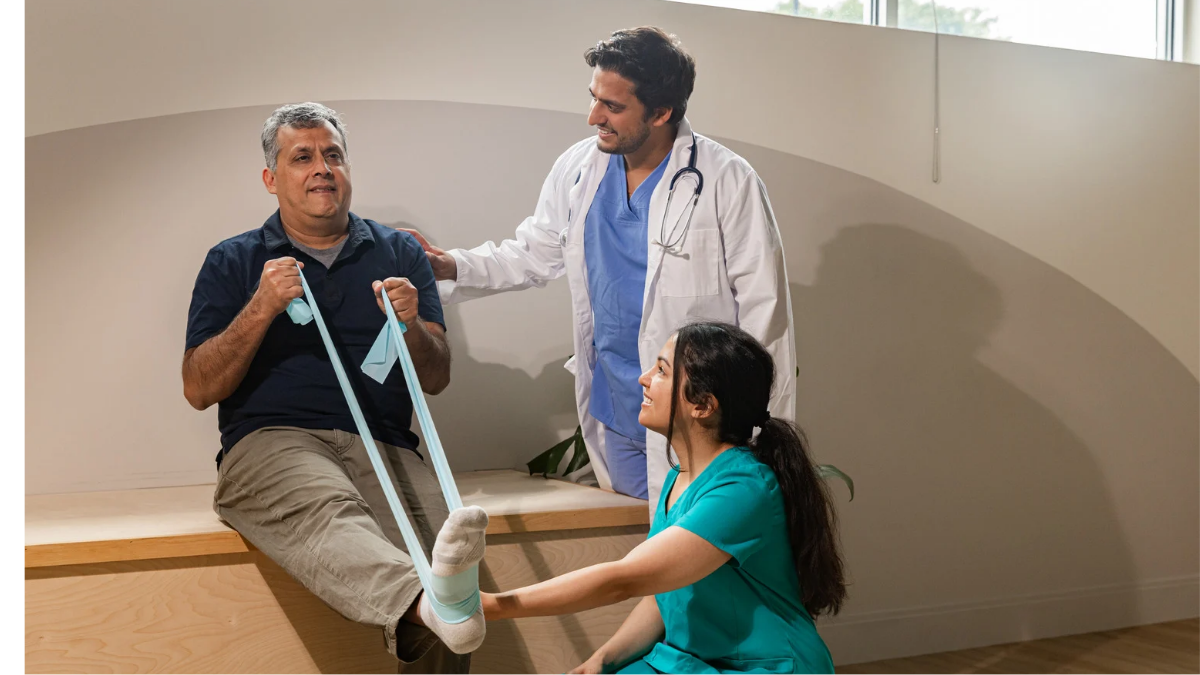
This is where geriatric physiotherapy plays a vital role. Geriatric physiotherapy is a specialized area of physiotherapy focused on helping older adults remain mobile, independent, and healthy as they age. It is not just about treating illness, it is about preserving dignity, function, and quality of life.
In this article, we explore what geriatric physiotherapy is, what geriatric physiotherapists do, why both older men and women need it, when your parents should start, and how it differs from other physiotherapy specialties.
What Is Geriatric Physiotherapy?
Geriatric physiotherapy is a specialized branch of physiotherapy dedicated to the assessment, treatment, and prevention of age-related physical conditions in older adults, typically from age 60 and above, though some individuals may benefit earlier.
As people age, the body undergoes natural changes:
- Muscle mass reduces (sarcopenia)
- Bone density decreases (osteopenia and osteoporosis)
- Joint flexibility reduces
- Balance reactions slow
- Chronic conditions become more common
Geriatric physiotherapy addresses these changes holistically, helping older adults maintain strength, balance, mobility, endurance, and confidence in movement, whether they live independently or require support.
What Do Geriatric Physiotherapists Do?
Geriatric physiotherapists are specially trained to understand the physical, medical, and functional complexities of aging. Their role goes far beyond exercise prescription.
1. Comprehensive Functional Assessment
A geriatric physiotherapist evaluates:
- Walking pattern and balance
- Muscle strength and joint flexibility
- Risk of falls
- Pain levels
- Ability to perform daily activities such as bathing, dressing, cooking, and transfers
- Impact of chronic illnesses (e.g., arthritis, stroke, diabetes, Parkinson’s disease)
2. Individualized Treatment Plans
No two older adults are the same. Geriatric physiotherapists design personalized treatment programs based on:
- Medical history
- Lifestyle and environment
- Cultural and family context
- Personal goals (e.g., walking independently, attending social events, praying comfortably, or avoiding falls)
3. Pain Management
Many older adults live with chronic pain from arthritis, back problems, or past injuries. Geriatric physiotherapy uses:
- Therapeutic exercises
- Manual therapy
- Postural correction
- Movement re-education
to reduce pain and improve comfort without over-reliance on medication.
4. Fall Prevention and Balance Training
Falls are one of the leading causes of injury, disability, and loss of independence in older adults. Geriatric physiotherapists:
- Identify fall risks
- Train balance and coordination
- Teach safe movement strategies
- Recommend appropriate walking aids
- Advice on home modifications for safety
5. Rehabilitation After Illness or Hospitalization
After events such as stroke, fractures, surgery, or prolonged bed rest, older adults often lose strength and confidence. Geriatric physiotherapy supports:
- Safe recovery
- Regaining mobility
- Preventing complications like stiffness, weakness, and pressure injuries
Why Older Men Need Geriatric Physiotherapy
Older men often delay seeking help, believing pain or weakness is something to “manage quietly.” However, men face specific aging-related risks that geriatric physiotherapy addresses effectively.
Common Challenges in Older Men:
- Reduced muscle strength and endurance
- Higher risk of cardiovascular-related mobility decline
- Prostate-related surgeries affecting mobility
- Postural changes and back pain
- Increased fall risk due to balance loss
Geriatric physiotherapy helps older men:
- Maintain strength and independence
- Continue daily routines and social participation
- Recover safely after illness or surgery
- Reduce the risk of falls and hospitalization
Why Older Women Need Geriatric Physiotherapy
Women generally live longer than men, which increases their exposure to age-related physical challenges.
Common Challenges in Older Women:
- Osteoporosis and fragile bones
- Arthritis, especially of the knees and hips
- Post-menopausal muscle loss
- Fear of falling and reduced confidence
- Chronic pain that affect daily activities
Geriatric physiotherapy empowers older women by:
- Strengthening muscles to protect fragile bones
- Improving balance and confidence
- Managing joint pain and stiffness
- Supporting safe independence at home and in the community
When Do Older Adults Need Geriatric Physiotherapy?
Many families wait until a major incident such as a fall or stroke, before seeking physiotherapy. However, early intervention is key.
Your older parents may need geriatric physiotherapy if they:
- Struggle with walking or balance
- Have experienced one or more falls
- Avoid movement due to fear of falling
- Have difficulty standing up, climbing stairs, or bending
- Live with chronic pain or stiffness
- Are recovering from surgery, illness, or hospitalization
- Spend long periods sitting or lying down
- Use walking aids incorrectly or reluctantly
Importantly, geriatric physiotherapy is not only for frail older adults. Active seniors also benefit from preventive physiotherapy to maintain strength and mobility.
How Geriatric Physiotherapy Differs from Other Physiotherapy Specialties
While all physiotherapists are trained to treat movement disorders, geriatric physiotherapy is unique in its approach.
1. Holistic Focus
Unlike sports or orthopedic physiotherapy, which may focus on a single injury, geriatric physiotherapy considers:
- Multiple medical conditions
- Medication effects
- Cognitive and emotional factors
- Home and social environment
2. Gentle, Safe, and Progressive Approach
Exercises are carefully tailored to avoid fatigue, injury, or overload. Progression is gradual and safety-focused.
3. Functional and Daily-Life Oriented
The goal is not athletic performance but independence in daily activities—walking safely, bathing independently, attending social and religious events, and maintaining dignity.
4. Family and Caregiver Involvement
Geriatric physiotherapists actively educate family members and caregivers on:
- Safe transfers and handling
- Encouraging mobility
- Preventing falls
- Supporting adherence to exercises
Geriatric Physiotherapy and Healthy Aging
Healthy aging is not just about living longer—it is about living well. Geriatric physiotherapy helps older adults:
- Stay active and socially engaged
- Reduce hospital visits
- Maintain independence
- Improve mental well-being through movement
- Age with confidence and dignity
For families, it provides reassurance that their loved ones are receiving specialized care tailored to their unique stage of life.
Final Thoughts
Aging does not have to mean dependency, pain, or loss of purpose. With the right support, your older parents can remain active, confident, and independent for as long as possible. Geriatric physiotherapy is a powerful tool that bridges the gap between aging and quality living.
If you truly want your parents to age healthily, investing in geriatric physiotherapy is not a luxury, it is a necessity.
Do you need a geriatric physiotherapist for your older parents, contact us today at The Potter’s Gerontological Services.
Related Post: Medication Management for Seniors: A Complete Guide for Nigerian Families