
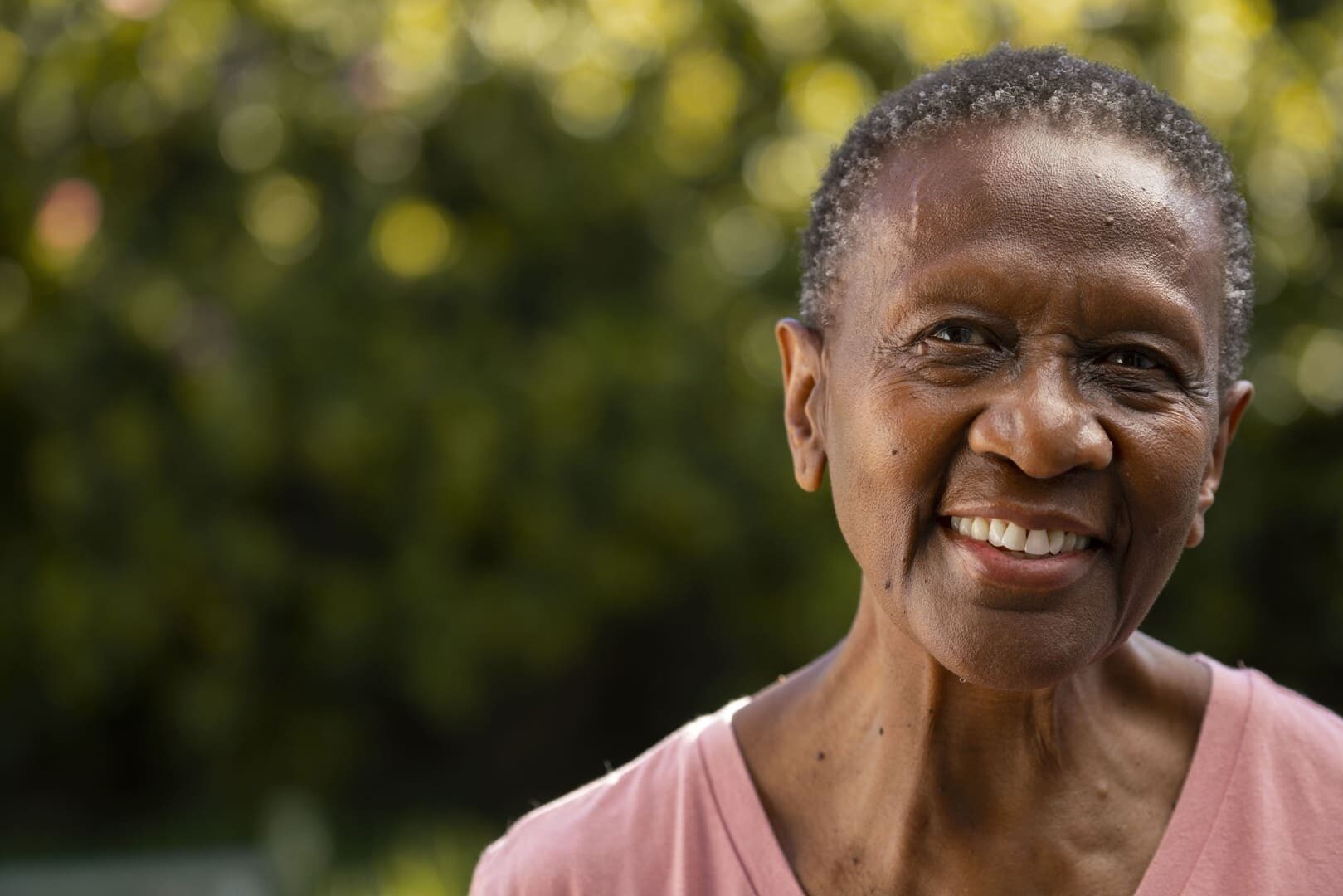
Many families across Nigeria struggle to recognize when their elderly parent needs professional care beyond what they can provide at home. Caring for aging parents is one of life’s most challenging responsibilities. As a leading gerontologist in Abuja, I’ve worked with hundreds of families facing this difficult decision.
The truth is, there’s no one-size-fits-all answer. However, certain warning signs indicate your elderly parent need professional care. In this comprehensive guide, I’ll share 10 critical warning signs that your elderly parent may need professional medical care, and what you can do about it.
In this article, you’ll learn:
- The most common warning signs that indicate your elderly parent needs professional care
- How to distinguish between normal aging and concerning symptoms
- When to consult a gerontologist in Abuja
- What care options are available for your loved one
- How to have the conversation about getting help
Understanding the Difference: Normal Aging vs. Warning Signs
Before we dive into the warning signs, it’s important to understand that some changes are a normal part of aging. Not every forgotten name or slower movement means your parent needs immediate professional care.
Normal aging might include:
- Occasionally forgetting names or appointments
- Taking slightly longer to complete tasks
- Needing reading glasses or hearing aids
- Having less energy than before
Warning signs requiring attention include:
- Repeatedly forgetting important information or recent events
- Inability to manage daily tasks independently
- Noticeable decline in personal hygiene
- Unexplained weight loss or health changes
Let’s explore the 10 most critical warning signs in detail.
1. Significant Memory Loss and Confusion
What to Look For:
- Forgetting the names of close family members
- Getting lost in familiar places around Abuja
- Repeatedly asking the same questions
- Forgetting important appointments or medications
- Confusion about time, date, or current events
- Difficulty following conversations or TV programs
Why It Matters: Memory loss beyond normal forgetfulness could indicate dementia, Alzheimer’s disease, or other cognitive conditions. Early detection and intervention can significantly improve quality of life and slow progression.
What to Do: Schedule a comprehensive cognitive assessment with a gerontologist. At The Potter’s Gerontological Services, we offer specialized memory care evaluations that can identify underlying causes and create appropriate treatment plans.
2. Decline in Personal Hygiene and Grooming
What to Look For:
- Wearing the same clothes for several days
- Noticeable body odor or unkempt appearance
- Uncombed hair or overgrown nails
- Stained or soiled clothing
- Lack of interest in grooming or bathing
- Dental hygiene neglect
Why It Matters: A sudden decline in personal hygiene often indicates:
- Depression or mental health issues
- Physical limitations (arthritis, mobility problems)
- Cognitive decline affecting ability to remember hygiene routines
- Loss of motivation or self-worth
What to Do: This is one of the clearest signs your elderly parent needs care assistance. Home care services can help with bathing, grooming, and maintaining dignity while addressing underlying health issues.
3. Poor Nutrition and Weight Changes
What to Look For:
- Significant unexplained weight loss or gain
- Empty refrigerator or spoiled food
- Eating only one meal per day or skipping meals
- Difficulty preparing meals or using kitchen appliances
- Relying heavily on packaged or processed foods
- Forgetting to eat or drink water
Why It Matters: Proper nutrition is crucial for elderly health. Poor nutrition can lead to:
- Weakened immune system
- Increased fall risk
- Worsening of chronic conditions
- Cognitive decline
- Muscle weakness and frailty
What to Do: A geriatric assessment can identify nutritional deficiencies. Our home care services in Abuja include meal preparation, nutritional counseling, and monitoring to ensure your parent receives proper nutrition.
4. Difficulty Managing Medications
What to Look For:
- Missed doses or double doses of medications
- Expired medications in the medicine cabinet
- Inability to explain what medications they’re taking
- Confusion about medication schedules
- Multiple bottles of the same medication
- Forgetting to refill prescriptions
Why It Matters: Medication mismanagement can be life-threatening, especially for elderly patients with chronic conditions like diabetes, hypertension, or heart disease. It’s one of the leading causes of hospitalization among Nigerian seniors.
What to Do: Professional elderly care services include medication management. Our nurses conduct medication reviews, set up pill organizers, and provide reminders to ensure proper adherence to treatment plans.
5. Increased Falls or Mobility Issues
What to Look For:
- Unexplained bruises or injuries
- Difficulty getting up from chairs or bed
- Using furniture or walls for support while walking
- Shuffling gait or unsteady balance
- Fear of falling leading to reduced activity
- Avoiding stairs or certain rooms in the house
Why It Matters: Falls are the leading cause of injury among elderly Nigerians. A single fall can lead to:
- Fractures (especially hip fractures)
- Head injuries
- Loss of independence
- Fear and anxiety
- Reduced mobility and quality of life
What to Do: Fall prevention is critical. Our physiotherapy services in Abuja include balance training, strength exercises, home safety assessments, and mobility aids recommendations to prevent falls.
6. Social Withdrawal and Isolation
What to Look For:
- Declining invitations to family gatherings
- Loss of interest in previously enjoyed activities
- Avoiding church, social clubs, or community events
- Spending most time alone in their room
- Not answering phone calls or texts
- Expressing feelings of loneliness or hopelessness
Why It Matters: Social isolation in elderly individuals is linked to:
- Depression and anxiety
- Cognitive decline and dementia
- Increased mortality risk
- Worsening of physical health conditions
- Poor quality of life
What to Do: This warning sign often indicates depression, which is treatable. Professional care includes mental health support, companionship services, and connecting seniors with community resources.
7. Inability to Manage Household Tasks
What to Look For:
- Piles of unpaid bills or unopened mail
- Cluttered, messy, or unsafe home environment
- Spoiled food left out on counters
- Dirty dishes piling up in the sink
- Unmade bed or unchanged linens for weeks
- Neglected home repairs or maintenance
Why It Matters: When an elderly parent can no longer manage their household, it indicates:
- Cognitive decline affecting executive function
- Physical limitations preventing task completion
- Overwhelming feelings leading to paralysis
- Potential safety hazards in the home
What to Do: Home care services can assist with light housekeeping, bill management, grocery shopping, and maintaining a safe living environment while your parent maintains independence.
8. Worsening of Chronic Health Conditions
What to Look For:
- More frequent visits to the hospital or clinic
- Poorly controlled diabetes, hypertension, or other conditions
- Complaints of increasing pain or discomfort
- Difficulty managing symptoms
- Skipping medical appointments
- Not following doctor’s treatment plans
Why It Matters: Elderly patients with chronic conditions need consistent monitoring and management. Untreated or poorly managed conditions can lead to:
- Emergency hospitalizations
- Complications and disability
- Reduced life expectancy
- Decreased quality of life
What to Do: Our chronic disease management services provide regular monitoring, medication adjustments, lifestyle counseling, and coordination with specialists to keep conditions under control.
9. Unsafe Driving or Getting Lost
What to Look For:
- New dents, scratches, or damage to the car
- Getting lost on familiar routes in Abuja
- Traffic violations or warnings
- Near-miss accidents or close calls
- Confusion at intersections or with traffic signals
- Family members expressing concern about their driving
Why It Matters: Unsafe driving puts your parent and others at risk. It may indicate:
- Vision problems
- Cognitive decline affecting judgment
- Slowed reaction time
- Physical limitations affecting driving ability
What to Do: This is a sensitive conversation, but safety must come first. Our home care services include transportation assistance, ensuring your parent can attend appointments and maintain social connections safely.
10. Caregiver Burnout in Family Members
What to Look For:
- Family caregivers showing signs of stress, exhaustion, or depression
- Conflicts among family members about care responsibilities
- Caregiver’s own health declining
- Feeling overwhelmed or unable to provide adequate care
- Resentment or guilt about caregiving duties
- Neglecting personal relationships or work
Why It Matters: Family caregiver burnout is a serious warning sign that professional help is needed. Continuing without support can lead to:
- Poor care quality for your parent
- Health problems for the caregiver
- Family relationship damage
- Financial strain
- Guilt and emotional distress
What to Do: Professional elderly care services provide respite for family caregivers while ensuring your loved one receives expert care. It’s not giving up—it’s ensuring everyone’s wellbeing.
What to Do When You Notice These Warning Signs
If you’ve recognized one or more of these warning signs in your elderly parent, here are the steps to take:
Step 1: Document Your Observations
Keep a journal noting:
- Specific incidents and dates
- Changes you’ve noticed
- Concerns from other family members
- Any safety incidents
Step 2: Have an Honest, Compassionate Conversation
Approach the conversation with:
- Empathy and respect for their independence
- Specific examples of your concerns
- Focus on their safety and wellbeing
- Listen to their feelings and fears
- Involve them in decision-making
Step 3: Schedule a Comprehensive Geriatric Assessment
A professional evaluation can:
- Identify underlying health issues
- Assess cognitive and physical function
- Determine the level of care needed
- Create a personalized care plan
- Provide peace of mind
Step 4: Explore Care Options in Abuja
Depending on the assessment, you may need:
- Regular check-ups with a gerontologist
- Home care services for daily living assistance
- Physiotherapy for mobility and strength
- Memory care for cognitive conditions
- 24/7 monitoring for advanced needs
- Medication management services
Step 5: Create a Support Network
Build a team including:
- Professional healthcare providers
- Family members sharing responsibilities
- Community resources and support groups
- Legal and financial advisors if needed
Conclusion
Recognizing that your elderly parent needs care is difficult, but it’s one of the most loving decisions you can make. The warning signs we’ve discussed – memory loss, hygiene decline, poor nutrition, medication mismanagement, falls, social withdrawal, household neglect, worsening health, unsafe driving, and caregiver burnout – all indicate it’s time to seek professional help.
You don’t have to navigate this journey alone. At The Potter’s Gerontological Services, we’ve helped hundreds of Abuja families provide excellent care for their elderly loved ones. Our comprehensive services ensure your parent receives expert medical care while maintaining dignity, independence, and quality of life.
Don’t wait for a crisis. If you’ve noticed any of these warning signs, contact us today for a confidential consultation. Early intervention can prevent complications, improve outcomes, and give you peace of mind knowing your parent is in expert hands.